August 27, 1852

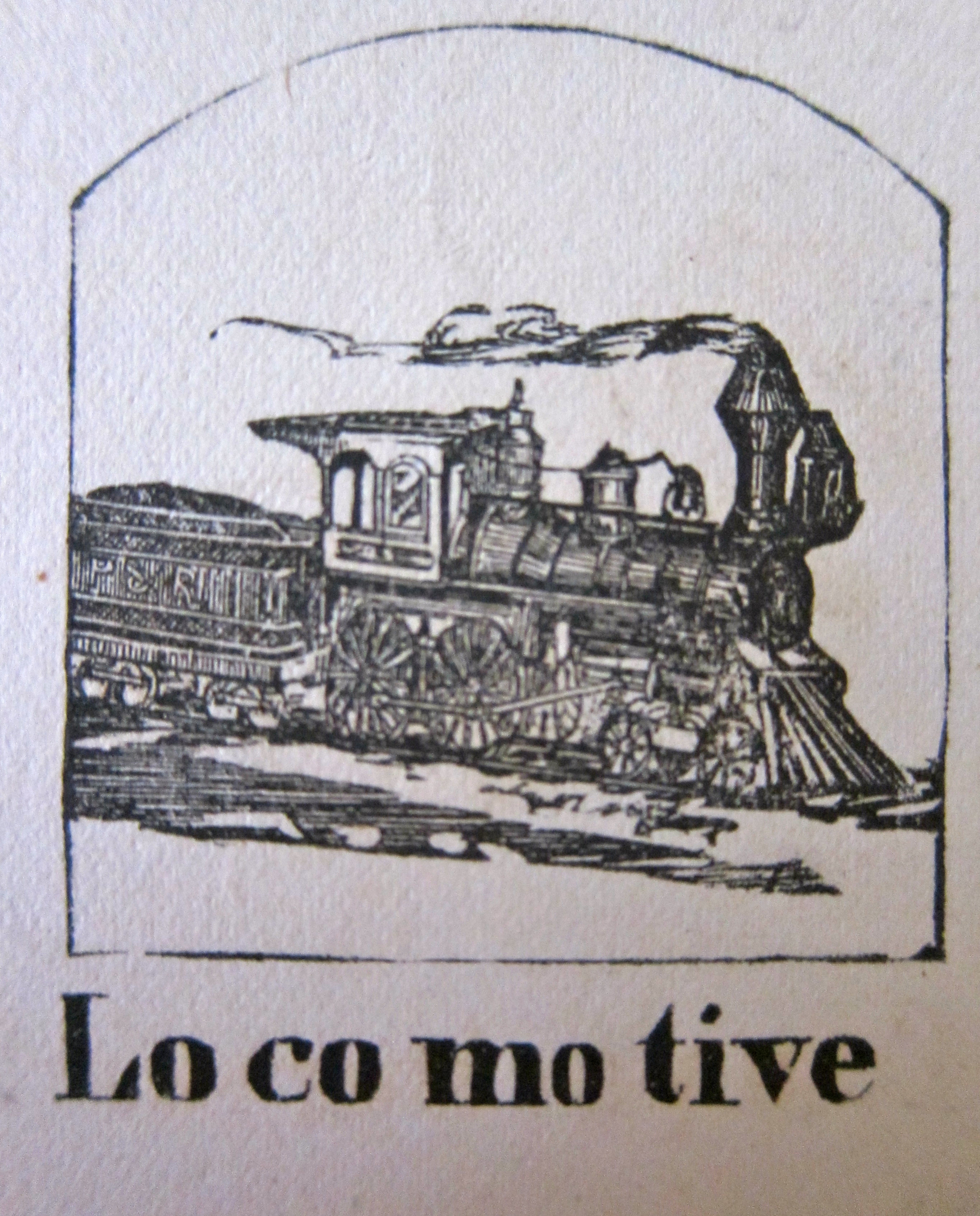
Locomotive

Friday Aug 27th  Left Burlington at 1/4 before eleven on

our return home  They were very unwilling that we

should leave before next week and it was a sudden

start our leaving at last  It rained most of the 

way which made it much more pleasant as it

laid the dust  Arrived at Boston about

eight passed the night at Mr Orrs. Mrs Ames

Helen & Fred went to the Adams House

Somewhat precipitously, Evelina departed Burlington today with Sarah Lothrop Ames and her children Fred and Helen. Almira Ames didn’t return with her nor, more important, did Oakes Angier Ames. He would stay behind to rest and try to get the better of his pulmonary ailment.

After a nine hour train trip, which proved to be “much more pleasant” than the ride they had taken eight days earlier, Evelina and company arrived “at Boston.”  Light rain had fallen throughout the journey, which helped lay the dust, but was a precursor of more wet weather to come. This was hurricane season, after all.

Evelina says nothing about shopping in Boston. She may have been too fatigued by the journey to follow her favorite pursuit in the city.  Instead, she went right to the home of Robert and Melinda Orr, her usual headquarters when there. Sarah Lothrop Ames and her children stayed elsewhere.

August 19, 1852

PC+Bellows+Falls01VT

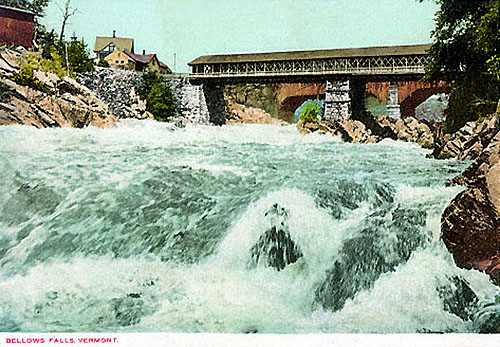
Bellows Falls, Vermont, late 19th century

Aug 19th Thursday.  Started with Mrs A L Ames

S Ames Fred Helen & Oakes A for Burlington

Left Boston at 12  Stopt for the night

at Bellows Falls much fatigued & covered

with dust.  It is a very romantic place and […]

very good accommodations at the Island house

Walked out after tea to view the place & falls

Off they went! Half the family, it would seem, exited North Easton to accompany Oakes Angier on his trip to Burlington, Vermont. Obviously, the group traveled first from North Easton to Boston, where they boarded a train, most likely, and departed at noon. Six or so hours and about 100 miles later, “much fatigued and covered with dust,” they disembarked at Bellows Falls, Vermont, a small village on the state line between New Hampshire and Vermont.

The village may have been small, but its location on the Connecticut River and its powerful falls made it a fine industrial site. Two railroads already met there, and a mill industry thrived. The bridge across the water – a later version of which is featured in the postcard illustration above – added to the picturesque quality of the town.  Evelina found it “very romantic.” Today the village is part of the larger town of Rockingham, whose population boasts a little over 5,300.


August 14, 1852

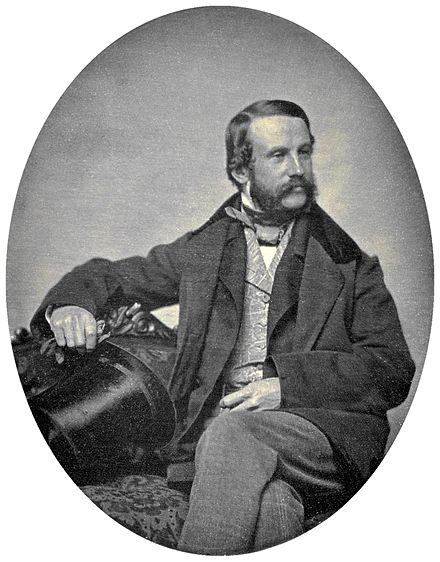
440px-Henry_Jacob_Bigelow_c1854


Dr. Henry Jacob Bigelow

(1818 – 1890)

Aug 14th

1852 Saturday  Oakes A went to see Dr Bigelow

He agrees with Dr Swan that the blood

comes from the lungs and that he must leave the

shop and be very quiet.  Returned from

Boston to night.  Mrs Stevens came here in

the Cars  Mrs Witherell A L Ames & Mrs

S Ames called

Oakes Angier saw a doctor in Boston today about his bad cough and bloody sputum.  He went to a Dr. Bigelow, who could have been either of two well-regarded medical men: Jacob Bigelow or his son, Henry Jacob Bigelow. The son, only a decade older than Oakes Angier himself, was a Harvard grad who was becoming famous for his role in introducing ether into the operating room. Without the modern diagnostic equipment to which we 21st century readers have become accustomed, Dr. Bigelow was nonetheless able to give an informed opinion about Oakes Angier’s pulmonary condition. If the doctor used the word “consumption,” Evelina didn’t write it down.

The illness was serious and Oakes Angier was ordered to ” leave the shop and be very quiet.” Rest and fresh air, in other words, were the treatment. If diagnostic ability was limited, treatments were even more so. Oakes Angier would have to go away and rest and hope for the best.

Back in Easton, the women of the family gathered in the sitting room or parlor to hear what the Boston physician had said, and perhaps to take a look at Evelina’s new bonnet. We can imagine that each member had a notion of what should happen next: where Oakes Angier should go, how he might travel, and what needed to be done to get him ready. In all likelihood, however, the decision on what to do would be decided by Oakes Angier’s father.


August 13, 1852

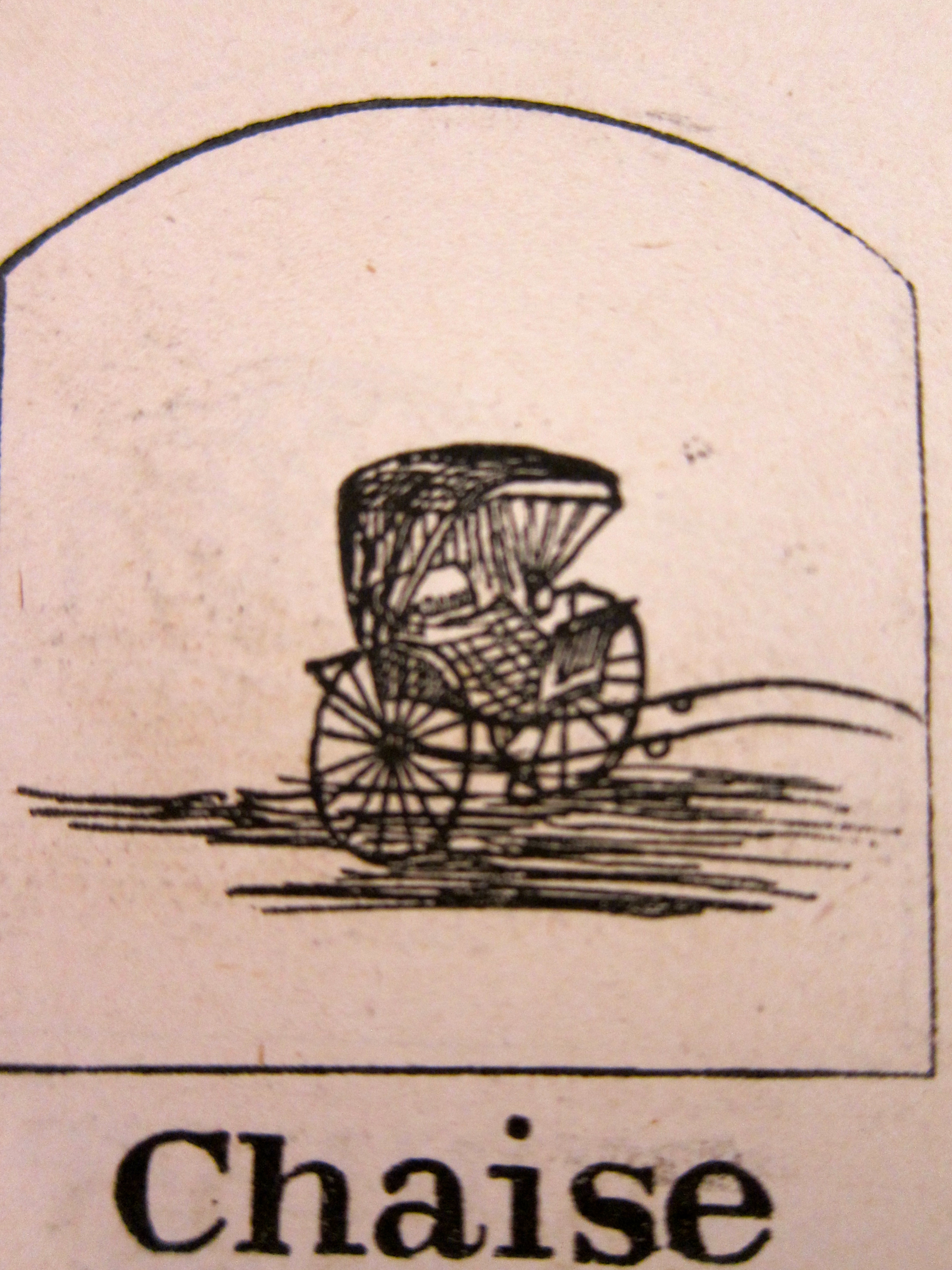
Chaise

Friday Aug 13th  Went to Boston with Oakes A and

Susan in Mr Whites Buggy chaise

Mrs S Ames went in the Cars. Met her at

12 Oclock at Mr Daniells  Ran around most

all day to get a bonnet  Mrs Norris went

with me in the afternoon and at last just

at night found one such as I wanted


Evelina had a bonnet to buy in Boston; Oakes Angier had a medical appointment to make. So, sitting snugly in a chaise borrowed from Col. Guilford White, Evelina, Oakes Angier, and little Susie Ames rode into Boston. Most likely, Oakes Angier drove while the females sat beside him and examined the passing countryside. This trip would have been a big adventure for Susie, who didn’t move beyond Easton very often.

Sarah Lothrop Ames, meanwhile, took the train into town. The two women met up at noon at a familiar haunt, Mr. Daniell’s Dry Goods store on Washington Street. From there they “ran around most all day,” Evelina looking everywhere for the right bonnet – at the right price, no doubt. She secured one at the end of the day and presumably went to the home of Robert and Melinda Orr to spend the night, probably with Susan. Whether Oakes Angier joined her there isn’t recorded.

The Ames family didn’t own a chaise, evidently, though such two-wheeled vehicles were quite common. One hears of chaises, known colloquially as shays, being the definitive carriage for rural doctors and country parsons – men who had to move around frequently to see their patients and parishioners, respectively. In 1858, Oliver Wendell Holmes Sr. wrote a satirical poem about a well-built chaise entitled the “The Deacon’s Masterpiece or The Wonderful One-Hoss Shay” that was quite popular in its day.


July 16, 1852

FullSizeRender

Traveling dresses*

1852

July 16th  Have been to Boston & Mt Auburn with

Mrs Witherell, S Ames & A L Ames had a 

very pleasant time  Returned from Mt

Auburn about one or two called on Mrs 

Stevens and the rest of the day shopping

bought me a travelling dress &c &c

Did not see any of Mr Orrs family except

Mr Norris  Mrs N is at Newburyport


The Ames women went to town today. Apparently they headed first to Mt.  Auburn, probably to take a turn around the cemetery, then on to Boston. It sounds as if the four women rode in a carriage or wagon all the way from Easton. One of the women may have driven the vehicle, but it’s more likely that a man, such as Old Oliver’s coachman Michael Burns, drove. Whoever held the reins guided the horse along what is today’s Route 138.  The carriage would have traveled a short distance east to get out of Easton, then headed straight north through Canton and Milton into the outskirts of the big city. Normally the vehicle would have taken Washington Street as it veered northeast into Boston, but today they went instead via Jamaica Plain to cross the Charles River.

After their tour of Mt. Auburn Cemetery, a popular destination for many pedestrians and riders, the Ames women crossed back across the Charles River into Boston, where they spent “the rest of the day shopping.” Evelina purchased material and a pattern, perhaps, for a “travelling dress,” such as the one in the illustration. She will spend the next few weeks making this new outfit at home.

Back in Easton, meanwhile, Old Oliver reflected on the week going by and noted that “the 14 – 15 + 16th were all warm good hay days + verry drying.”** He was satisfied with the weather.


Godey’s Lady’s Journal, November, 1852

**Oliver Ames, Journal, Stonehill College Archives, Arnold Tofias Collection

July 13, 1852

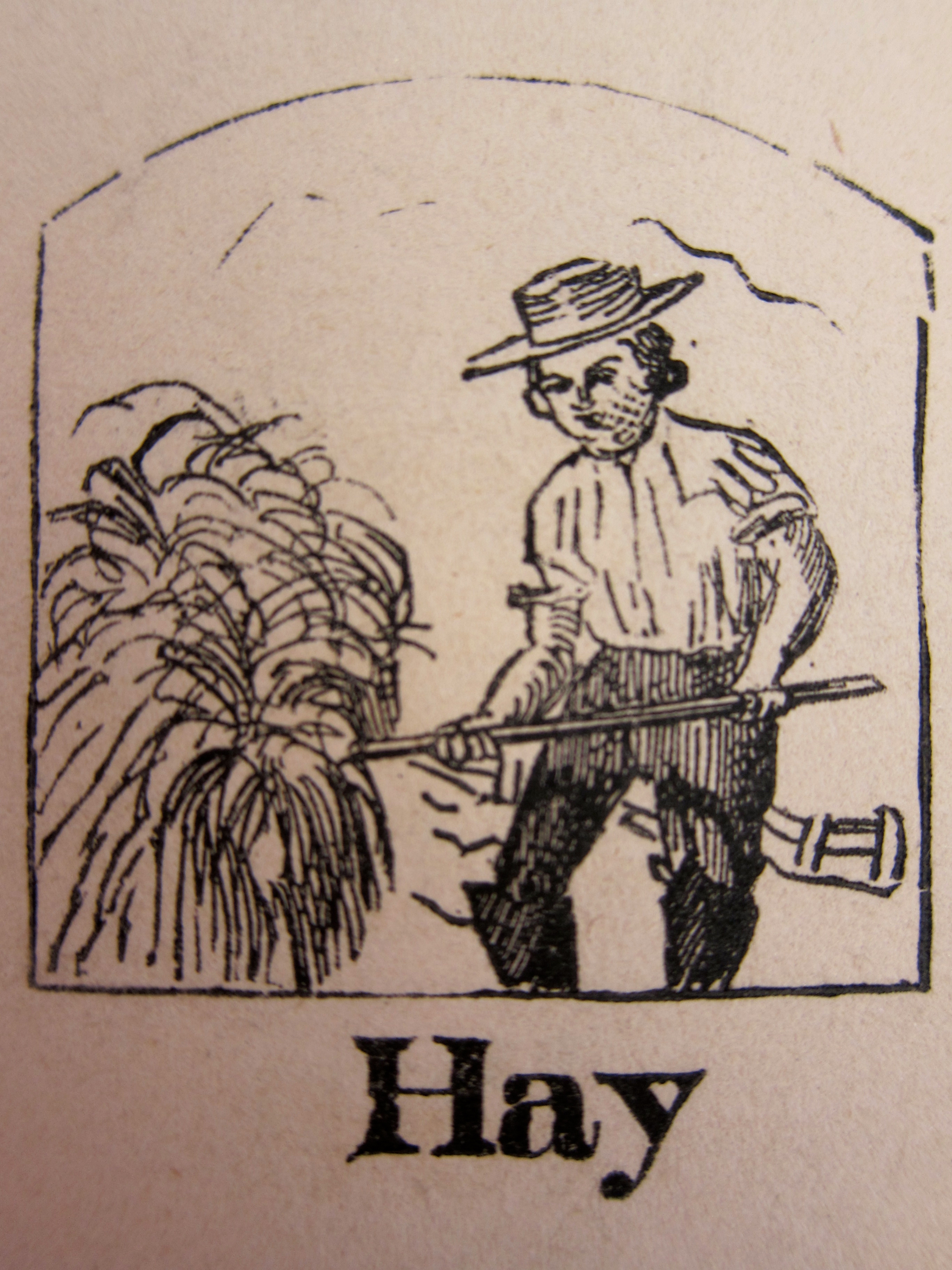
Hay


1852

Tuesday July 13  Julia Mahoney came to work this

morning and cut the waist to my borage

dress and went home at noon.  Mr Ames

went to Canton and I begged the chance

to go with him & we called at Mr Kinsleys

Saw the ladies of the family & two Mr Peabodys

of Boston  Called on Mrs Atherton

The first few days of this particular week were proving be “verry warm days. + pritty good hay days.”* Old Oliver had to be pleased.

After a morning of sewing a new barege dress with her dressmaker, Evelina “begged the chance” to ride east and north with her husband to Canton, where they visited Lyman and Louisa Kinsley. The Kinsleys, of course, were business associates but also friends, and they and their twenty-one year-old daughter, Lucy, happened to be entertaining visitors from Boston, “two Mr Peabodys.”

The Peabody brothers had called on the Kinsleys to be sociable, certainly, but one of them had a romantic motive. Francis Howard Peabody, also aged twenty-one, was courting Miss Lucy; the two would wed in 1854. They would have three children, a boy followed by two girls. Their little boy, Frank Everett Peabody, would become a founding member of a famous Boston brokerage firm, Kidder and Peabody.

*Oliver Ames, Journal, Stonehill College Archives, Arnold Tofias Collection

July 9, 1852

201000506-lemonpie-500

July 9th Friday  This day I was in hopes to pass quietly

and sew but quite early Mr Jessop & Linds 

from Sheffield and Fullerton from Boston came

and were here to dinner & tea and so

I had to go to cooking instead of sewing  Made

some Lemon & custard pies &c  It has been

excessively warm and the flies have come

in swarms  Frank went to carry the gentleman to

S Bridgewater


“[T]he thermometer was up to 96,”* recorded Old Oliver Ames in his daily journal.  “[E]xcessively warm,” indeed.  It was certainly disagreeable for Evelina to be in the kitchen baking pies on such a day, wearing an apron and a long-sleeved, full-length dress over a chemise and petticoat. Hot.

Many 19th century cookbooks carry recipes for lemon custard, lemon pie, and the like, indicating that lemons were a familiar and reliable ingredient, either imported like coffee, tea and sugar or shipped north from the southern-most states. The Shakers of Ohio, in fact, had a famous recipe for lemon pie that was more or less a tart marmalade within a crust. Evelina probably followed a recipe that was more like lemon custard inside a crust, such as the one suggested by Sarah Josepha Hale:

Boil in water, in a closely covered sauce-pan, two large lemons till quite tender; take out the seeds, and pound the lemon to a paste; add a quarter of a pound of pounded loaf sugar, the same of fresh butter heated to a cream, and three well-beaten eggs; mix all together and bake it in a tin lined with puff paste; take it out, strew over the top grated loaf sugar.*

We can imagine that the pies met the approval of the gentlemen from Sheffield and Boston who came to dinner and tea.

*Oliver Ames, Journal, Stonehill College Archives, Arnold Tofias Collection

**Sarah Josepha Hale, The Good Housekeeper, 1841, p.80

July 5, 1852


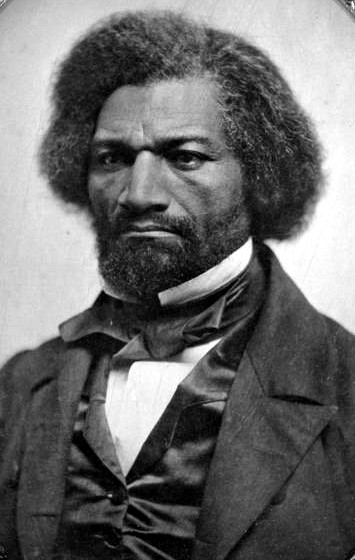
Motto_frederick_douglass_2

Frederick Douglass

(1818 – 1895)

1852 July 5th Monday  Orinthia & Lavinia went to Boston with

lots of others this morning  Orinthia is going to Maine 

on a visit  Mary came to sew or to see what she

can do. I have been sewing some to day and hope 

now that I shall be able to [do] more than I have

Have finished my brown muslin.  Augusta

has been here in this afternoon and this evening

we have been to see the fire works at Mr Russels

The nation was 76 years old. The Fourth of July having fallen on a Sunday, however, the celebration of it was deferred to Monday. Thus Evelina and Oakes and, no doubt, their sons and daughter went to Mr. Russell’s tonight to watch some fireworks. Others traveled into Boston, perhaps to see the fireworks there.

Mr. Russell may have been Edwin Russell, a shoemaker. The Ameses knew the family, certainly, as all three sons had attended a funeral back in January for Edwin’s father, Frank. If it was Edwin who hosted the fireworks, his may not have been as elaborate as those that would be seen in Boston, but he was following a tradition established by John Adams at the very beginning of the republic.

In a letter to his wife, Abigail Adams, on July 3, 1776, John Adams described his grand vision for a commemoration of the nation’s birthday.  It was to be celebrated “with Pomp and Parade, with Shews, Games, Sports, Guns, Bells, Bonfires and Illuminations from one End of the Continent to the Other from this Time forward forever more.” His vision was realized by 1777 when both Philadelphia and Boston – and other cities or towns, perhaps – set off Fourth of July Fireworks. A tradition was born.

Not everyone celebrated the nation’s birthday, however, as Frederick Douglass, probably the country’s most prominent African-American, pointed out on this date* in a speech now famously known as “What to the Slave is the Fourth of July?”  He said:

“I am not included within the pale of glorious anniversary! Your high independence only reveals the immeasurable distance between us.  The blessings in which you, this day, rejoice are not enjoyed in common. The rich inheritance of justice, liberty, prosperity, and independence, bequeathed by your fathers, is shared by you, not by me.  The sunlight that brought light and healing to you, has brought stripes and death to me. This Fourth July is yours, not mine.  You may rejoice, I must mourn.”**

Douglass eloquently  described the fissure between white lives and black, yet he did “not despair of this country. There are forces in operation which must inevitably work the downfall of slavery…” ** He rightly predicted its elimination, but even he could not have predicted the carnage and destruction that the end of slavery would cost.

Frederick Douglass, “What, to the Slave, is your Fourth of July?,” various dates cited for this speech: July 5, 1852 or 1854.
 

June 29, 1852

22633861_126751003919

Henry Clay

(1777 – 1852)

1852

Tuesday June 29th  Have had a quiet […] sick day  have

a bad cold & cough and sick head ache

A gentleman here from Pennsylvania

to dine but I did not go to the table

Mr Bartlett here to tea from Maine

Augusta came in and cut her out a

visite & I have written to Melinda to

get some trimming for it  Ottomans came

from Boston

Evelina was sick and probably spent most of the day in bed. She didn’t eat much, missing midday dinner – with company – and possibly skipping tea, too. Perhaps she took a tray of food in her room. She must have begun to feel a bit better, however, as she eventually roused herself to cut out a “visite” for Augusta Gilmore, who came over at the end of the day.  She even wrote to her friend Melinda Orr, in Boston, to find some trim. She could get animated about a sewing project, though not much else appealed to her today.

It was “a fair warm day + verry dry,”* and probably “verry” good for the haying that was underway. Old Oliver and a team of hands would have been outdoors from sunup to sundown.

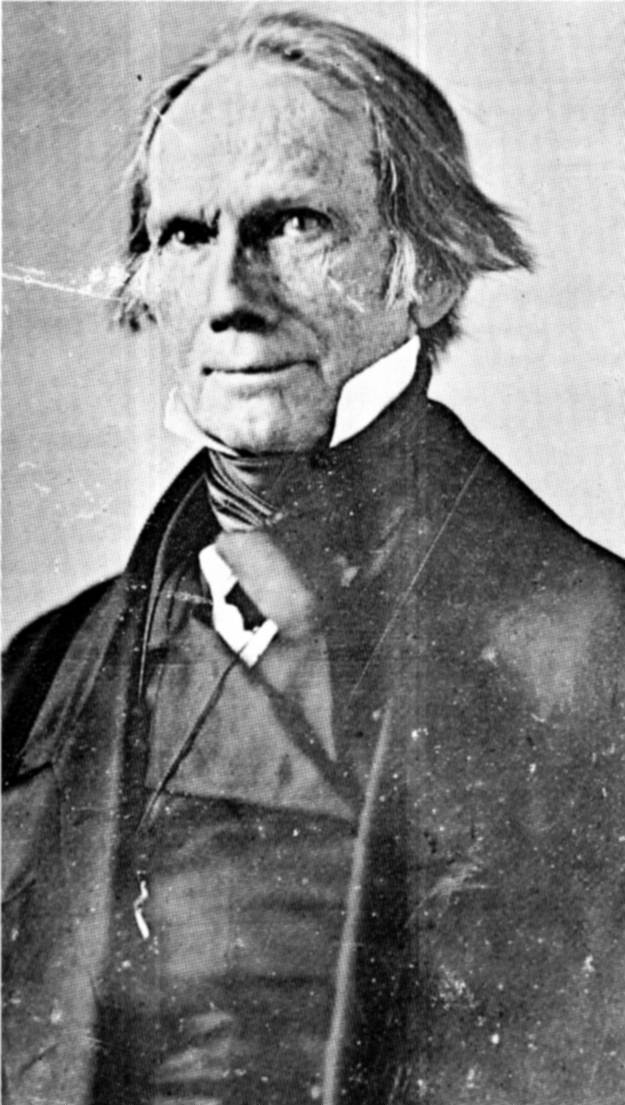
In the world beyond North Easton, a consummate, outspoken and controversial politician passed away today: Senator Henry Clay of Kentucky, aged 75, died in Washington D. C., of consumption. The Ameses wouldn’t have known this, however, until they read the next day’s newspapers. But most likely they admired Clay, the “Star of the West,” and the founder of the Whig Party. Clay’s biggest opponent back in the day had been Andrew Jackson, who called Clay “the Judas of the West.”  One imagines that Oakes Ames had probably been on the side of Clay’s admirers.

*Oliver Ames, Journal, Stonehill College Archives, Arnold Tofias Collection

June 13, 1852

Lobster

June 13

1852 Sunday  Went to meeting this morning & returned

at noon and mother came with me to make

a visit  Did not go back this afternoon on

account of getting tea  Mr Patterson is here

came last night  Edwin & wife stoped to 

tea from meeting had lobster.  Read to

mother in  [entry incomplete]


The Sabbath was another “fair day + pritty warm + verry dry.”* Old Oliver had to be getting edgy about the prospects for this year’s hay crop, not to mention the potentially poor output from the cornfields and the crop gardens all around town.

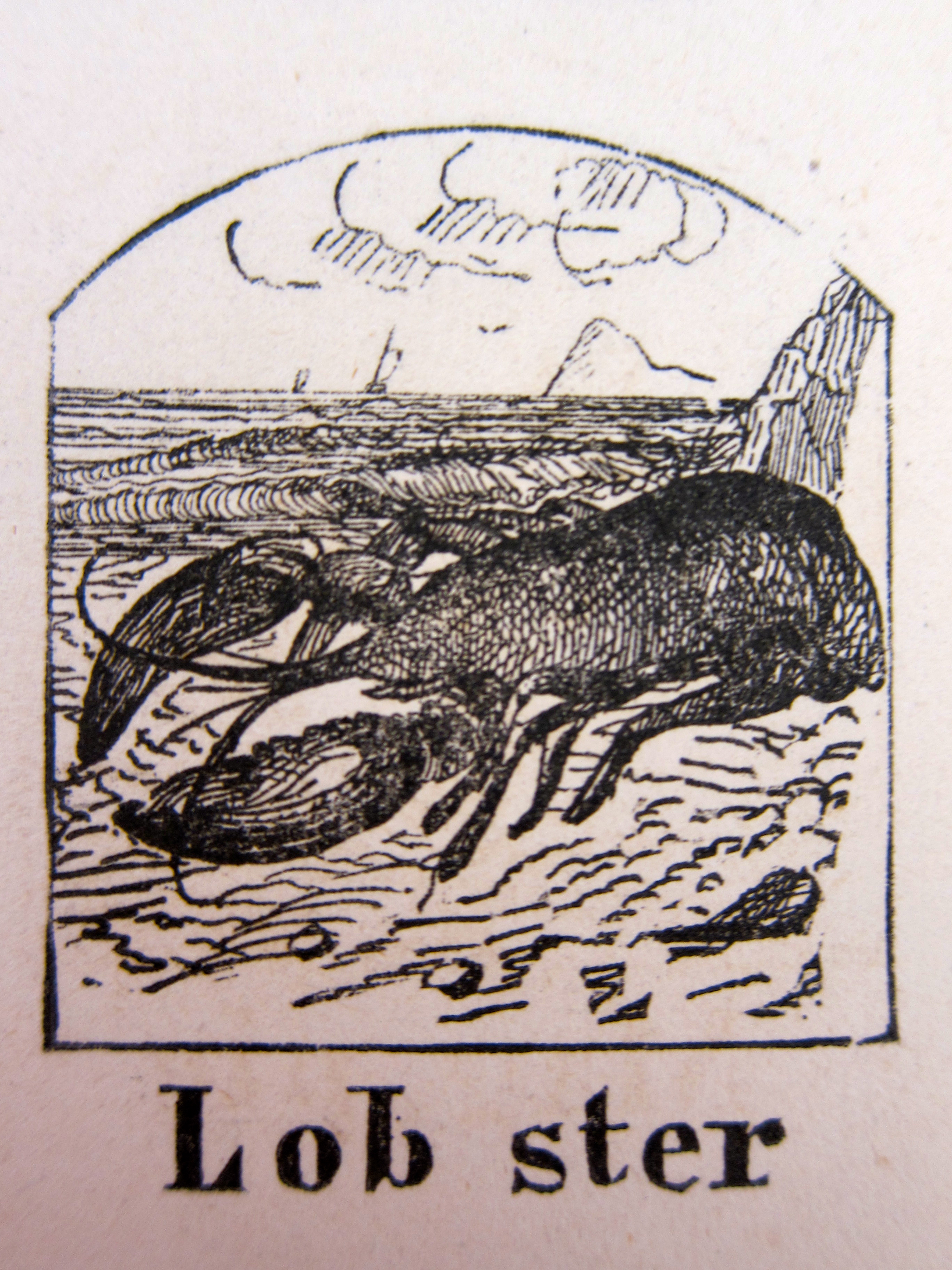
The family all trooped to church for the morning service, but Evelina, bringing her eighty-year old mother home with her, skipped the afternoon sermon “on account of getting tea.” She had to prepare lobster for Edwin and Augusta Gilmore. We might assume that on the previous day, Oakes Ames picked up a lobster (probably quite fresh, although cooked and canned were available) in Boston on his usual Saturday visit. Lobsters were plentiful, inexpensive and, as a rule, larger than those we dine on today. He was probably familiar enough with the crustacean to buy one that was fresh.

The well-known household advisor Lydia Maria Church approved of lobsters, and offered advice on buying them:

‘A female lobster is not considered so good as a male.  In the female, the sides of the head, or what look like cheeks, are much larger, and jut out more than those of the male. The end of the lobster is surrounded with what children call ‘purses,’ edged with a little fringe.  If you put your hand under these to raise it, and find it springs back hard and firm, it is a sign the lobster is fresh; if they move flabbily, it is not a good omen.’

Moving flabbily could never be considered a good omen.


*Oliver Ames, Journal, Stonehill College Archives, Arnold Tofias Collection

** Lydia Maria Church, The American Frugal Housewife