July 31, 1852

images

Women making potash soap, circa 1900*

1852 July 31st  Saturday  Have made two barrels

of potash soap and have had very good luck  This 

afternoon have been mending  Catharine Murphy came

this afternoon to sew for me and Im sure I hope she

will be worth something for it  Mary has been to work

on her own dress this afternoon   Susan &

self have been to Augustus this evening

and staid until ten  He is getting quite smart

This was a full Saturday for Evelina. She made a large batch of soap and was quite pleased with the result. Soap-making is an art, and Evelina was good at it. She knew enough about it, indeed, to be grateful for her own success. Of course, she could have purchased soap in the city or, perhaps, even in the Ames’s general store, but the farm girl in her resisted spending money on something she could make herself.

Lydia Maria Child, author of The American Frugal Housewife, devotes a whole page of her slim volume to making soap. “In the country,” she states unequivocally, “I am certain, it is good economy to make one’s own soap.” She offers various measures of ingredients: “To make a barrel of soap, it will require about five or six bushels of ashes, with at least four quarts of unslacked stone lime,” after which “[t]hree pounds of grease should be put into a pailful of lye.”** The trick to making soap depended on the sequence in which the ingredients were mixed, and at what temperature. It was a backyard chemistry experiment.

After the hard work of soap-making, in which Evelina was no doubt assisted by a servant, and an afternoon of mending, Evelina and her daughter Susan went to see her nephew. Augustus had fallen quite ill two weeks earlier with fever, but was now on the mend.


Image courtesy of http://www.wildernessarena.com

** Lydia Maria Child, The American Frugal Housewife, 1841

July 30, 1852

381-1233891708GdW7

July 30th  Friday  Came home from Dr Wales at half

past four and slept untill half past

eight left her quite comfortable

Have cut out another sack night dress

and Susan a waist  Alson & Lavinia Edwin

and wife were here to tea  Mr & Mrs Kinsley

called just at night for a few moments.  We

all went into the other part of the house for

ice cream this evening   Horatio here to dine

When Evelina came home at 4:30 in the morning, was the moon still up? Did she realize that this night would offer the second full moon of the month, familiarly known as a blue moon? She would be able to see it, too, as the skies were clear.

We use the term blue moon to identify a second full moon within a calendar month.  An earlier definition – one that may have been in effect when Evelina could gaze at the night sky – was that of being the third full moon within a season that has four full moons. So say various almanacs. Tracking the lunar cycle to define the passage of time has gone on as far back as human history can record. The Christian ecclesiastical calendar, for one, is built around moon phases. According to one modern source,

Some years have an extra full moon—13 instead of 12. Since the identity of the moons was important in the ecclesiastical calendar (the Paschal Moon, for example, used to be crucial for determining the date of Easter), a year with a 13th moon skewed the calendar, since there were names for only 12 moons. By identifying the extra, 13th moon as a blue moon, the ecclesiastical calendar was able to stay on track.”*

The terrestrial events of Evelina’s day included sewing (of course), her nephew Horatio Jr as a guest at lunch, company for tea and, as a special treat at the end of the day, ice cream. Despite her lack of sleep, a pleasant day overall.

*Courtesy of http://www.infoplease.com/spot/bluemoon (accessed July 26, 2015)


July 21, 1852

Thermometer

July 21st Wednesday  Have been at work on my

borage dress  what time I have sewed

The weather is very hot and I can

work but little  Julia & Elizabeth Pool

are at Edwins having some dresses

made by Julia Mahoney  I called 

to see them carried my work and

stoped awhile  Have been to see

Augustus this evening he is quite feverish


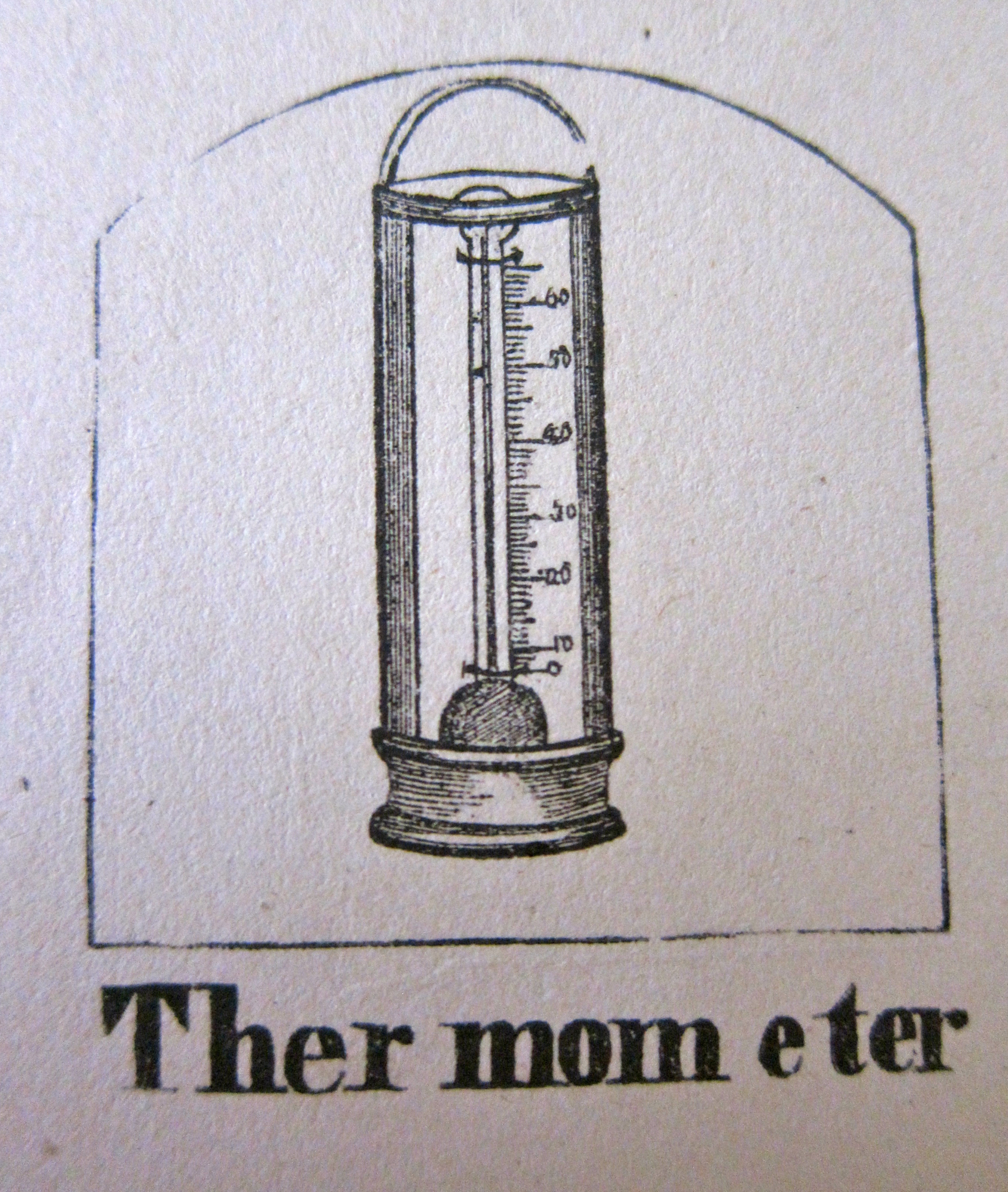
“This was a verry warm day and the most scorching sun I ever felt […] it was warm all day and the night following verry,” reported Evelina’s father-in-law, Old Oliver Ames. She, herself, was enervated by the heat; she could “work but little.”  She was alone, too, as Julia Mahoney, her usual dressmaker, was across the street at Edwin and Augusta Pool’s. Augusta had two sisters visiting who were having dresses made. Evelina walked over to join them for a time.

Alson Augustus Gilmore,Evelina’s nephew, was having no fun. He had a fever and in the heat must have felt as if he had landed in Hades. He was indoors, presumably, out of the direct sun at least. Old Oliver and his field hands, on the other hand, may have been outdoors haying in the blasting sunlight, the heat rising in waves around them. We can imagine that they stayed hydrated by drinking water ladled from buckets or a nearby well.  No thermoses or bottled Dasani or Fuji or Poland Spring water for them.

July 18, 1852

Church

July 18th Sunday  Have been to meeting as usual

Mr Whitwell preached well.  Went to Mr

Whitwells with Mother & Henrietta at noon

When we came from church Mr Ames

& self rode up to the ponds, found Oliver &

Fred there  Called this evening with Mr

Ames at Augustus found him threatened

with a fever & quite unwell.  Called on Lavinia

Williams a moment and Mrs Savage who is quite ill.

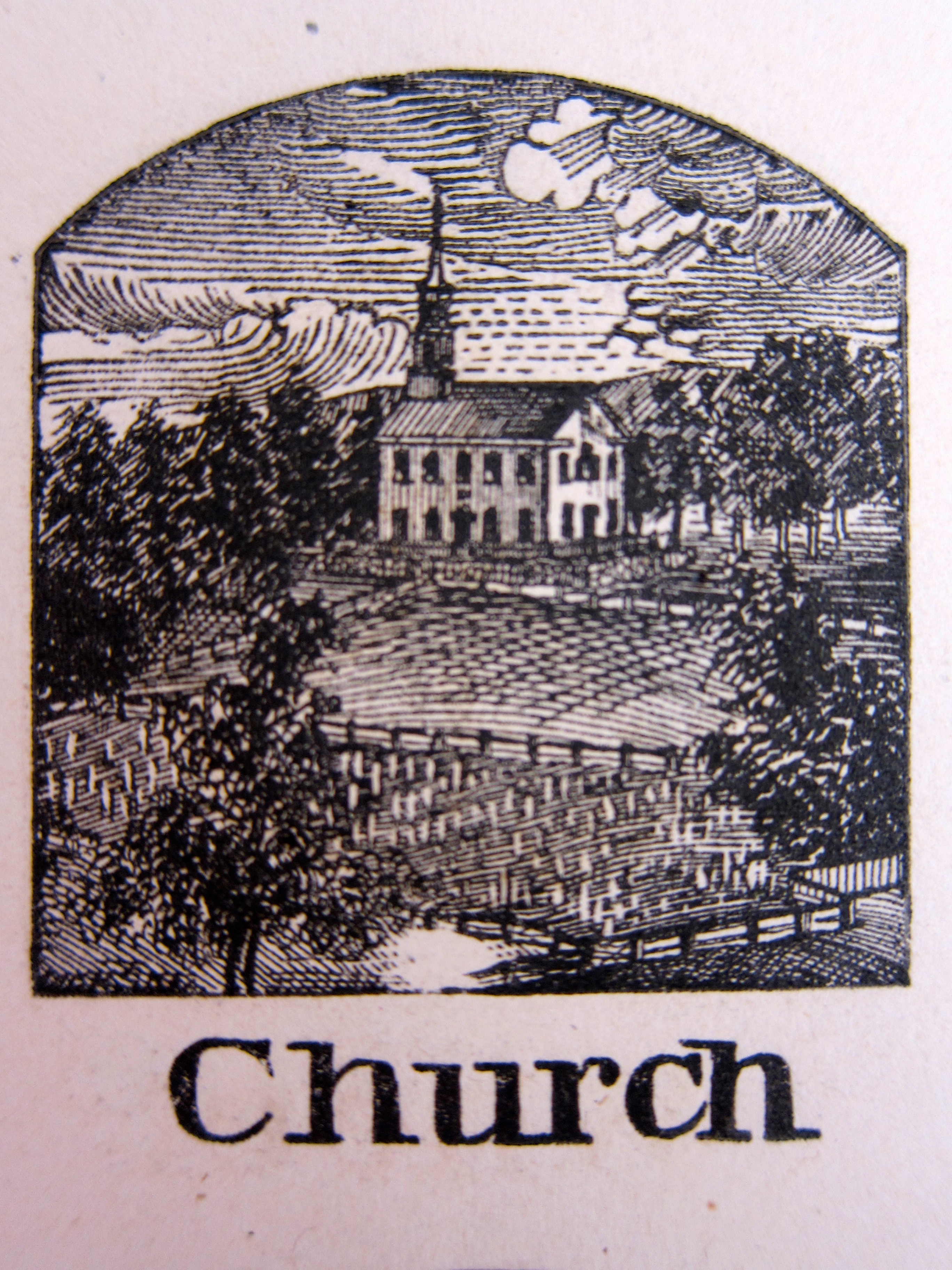
The good news today was that Evelina was comfortably back in her own pew at her own church, listening to her favorite minister preach. During the intermission between sermons, she even took her mother and sister-in-law, Henrietta Williams Gilmore, to the parsonage for tea. After church she and Oakes “rode up to the ponds,” meaning that they may have ridden not just to Shovel Shop Pond, but also beyond to Flyaway or Great Pond. There they ran into Oliver (either their son or Oakes’s brother-in-law) and Fred Ames.*

The not-so-good news was a run of illness among family and friends. Evelina’s nephew, Alson “Augustus” Gilmore, was suffering from some kind of fever. This was not an uncommon ailment during the hottest weeks of summer; many infants, especially, were prone to dehydration when the thermometer went up. Evelina had to be concerned that Augustus was so ill so suddenly. Hannah Savage (her near neighbor for whom her old servant, Jane McHanna, was now working) had been ill for some time. Hannah was thought to be dying; a watch would soon begin for her.

*It seems likely that it was Oliver (3) and not Oliver Jr with  Fred “up to the ponds.”  If it had been Oliver Jr., it’s probable that Sarah Lothrop Ames would have been with them.  She wasn’t. And it’s equally likely that the two young college men would be enjoying their familiar camaraderie, now that each was home from school.

July 3, 1852


500

Catharine Hayward Copeland Ames and Frank Morton Ames*


July 3d Sat  Was about house the greater part of the 

forenoon.  Made cake Mrs Ames Tumbler rule

After dinner helped do up the work for Hannah

to go to Bridgewater afterwards mending Susans

dresses.  Was expecting Augustus wife here & Orinthia

but they did not come.  About 5 Oclock went

into Mrs Witherells & stoped to tea.  Frank has

gone a ride to Middleboro with Cate Copeland

The bad news today was that “this was a fair cold day wind verry high a verry bad day to git in hay.”** Evelina’s father-in-law, Old Oliver, was clearly not pleased with this year’s haymaking, at least not to date. Not enough rain in the beginning to have the hay grow well and, today, too much cold wind to bring it in properly.

The regular news today included mending and baking. Evelina evidently tried a new cake recipe, using the “Tumbler rule” that she got from Mrs. Ames – probably Almira Ames, who was visiting. A tumbler was a common word for a drinking glass, which suggests that at least one of the cake’s ingredients – flour, perhaps – was measured by filling a tumbler.  Hard to say, but it must have been fun to try a new recipe for an old standard.

We get a peek into the family’s future with Evelina’s notation that her 18-year-old son, Frank Morton, went “a ride” with a girl named Cate Copeland. Cate was Catharine Hayward Copeland, daughter of Hiram Copeland, a farmer, and his wife Lurana – and a future daughter-in-law to Evelina. Cate was all of 15, but not too young to be of interest to Frank. Four years later, the couple would marry. Over the course of their lives together, in North Easton, Canton, and Boston, they would produce seven children, six of whom would survive to adulthood.

* Image of Catharine Hayward Copeland Ames and Frank Morton Ames courtesy of ancestry.com

**Oliver Ames, Journal, Stonehill College Archives, Arnold Tofias Collection


July 2, 1852

VN-24.3L


Friday July 2d  Sewed on Susans clothes & new strung

her coral necklace then went to transplanting

moss pinks and work untill noon  The gardener

has hoed & weeded my flower garden  This afternoon 

went into school with Mrs Witherell.  Mr Brown & Miss 

Clark have closed  The school appeared well.

After school went into Edwins to tea  Augustus

& wife were there came home & made a boquet of flowers


The day was sunny and windy and Evelina took advantage of practically the whole morning to work in her flower beds. She transplanted flowers with relative ease because a hired gardener had “hoed and weeded” everything for her. Wasn’t she lucky! Plus she had blossoms enough at the end of the day to arrange a “boquet” for the house.

Evelina also did some sewing for her daughter. Of particular interest is that Evelina restrung a coral necklace belonging to the girl. Susie was fortunate to own such a necklace; coral was a popular gemstone, and had been for centuries. It was colorful, exotic and could hold a high polish. By this era in fashion, such a necklace was usually sold as part of a set, suggesting that Susie may have owned a pair of coral earrings or a brooch as well. Earrings had increased in popularity as hair styles were lifted off the ears to expose the lobes, but Susie seems a little young to wear a set. Perhaps not. Having jewelry to wear was, obviously, a sign of wealth and status.

Yet Susie was still a schoolgirl, coral necklace or no, and this afternoon, school let out for summer. Susie and her cousin, Emily Witherell, were free of lessons for the time being, and they were probably happy about it. Evelina and Sarah Witherell went to the school, perhaps to get a report from the teachers or simply to acknowledge the occasion with their daughters and bring them home.


June 25, 1852

hand-sewing-color-grown-cotton-pajama-pants-for-a-toddler

1852

June 25 Friday  Worked about house all the forenoon 

but can scarcely tell what I was doing but

know I wasnt idle. This afternoon have

been mending different articles Hannah

mended the stockings.  I hope she is going 

to be a pretty good girl.  Mr Whitwell called

Called at Edwins this evening  Augustus & wife

Edwin & Elisha Andrews gone to Alsons


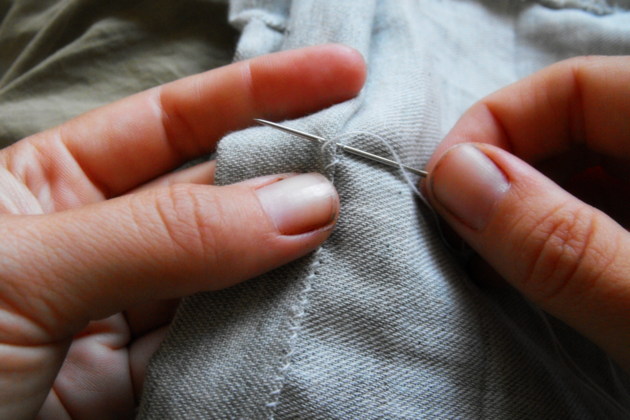
New servant Hannah Murphy was “pretty good” today helping Evelina mend the family stockings. Mending was never Evelina’s favorite duty.  She often put it off, preferring instead to head for the garden or slip next door to chat with one of her sisters-in-law. But what she seemed to prefer most of all was to sew. Cutting cloth for a new dress, or refashioning a waist in an old one, finding just the right trim for her sleeves, or making multiple buttonholes, such was her passion. Evelina loved to sew.

If Evelina had lived today rather than in the 19th century, would sewing still have been her favorite occupation? Freed from her domestic obligations as a 19th century housewife, and no longer in the thrall of the patriarchal laws and mores of the day, what could she have accomplished?  She was so tactile that it’s hard to imagine her abandoning her needle, or not using her hands. Might she have become a textile artist? A craftsperson? Or had a career in fashion?

We know that Evelina was hardworking; as she herself points out, “I wasnt idle.” Whatever career we might imagine for her to excel in, she would have committed to it as surely as she did to her domestic agenda in the 1850s. Yet the fantasy of transporting Evelina to the 21st century ultimately falls flat.  She was too much a creature of her own time and place, as we all tend to be, and not unhappy with her lot in life – even while mending.


June 16, 1852

Calamanco2-1

Calamanco fabric

June 16th Wednesday  The hottest day we have had

Julia has been here again to day have

finished Susans brilliant dress and cut

my muslin & purple cambric print and altered

the waist to green gingham and now they are

to finish  when will they be done  Mother has

gone to Augustus.  Catharine Middleton came

about nine or ten to sew for me

gentleman from New York to dine


The mercury rose to 96 degrees, and the women stayed inside out of the heat.  Even out of direct sunlight, however, the indoor air had to be stifling, so the women are to be admired for working with layers of fabric in their laps as they sewed. The ladies weren’t nearly as warm, however, as the men outside on the building lot, moving stones, or the men making shovels inside the factory. Everyone baked.

A new servant, Catherine Middleton, arrived to help with the sewing and, as she had been for the past few days, dressmaker Julia Mahoney was present to help Evelina. The women worked on several projects, including a “brilliant” dress for young Susie Ames. Brilliant was a pretty, shiny cloth, recognizable for its glazed and, often, patterned surface. It was a fabric that had been especially popular in the 18th century, but still had its admirers in the 19th.

Known by other names, including calamanco, the cloth originated in Norwich, England,  a center for textiles. Its origins make us wonder if the cloth Evelina was using had been made locally, in Lowell, Mass., say, or Rhode Island, or had been imported.


June 11, 1852

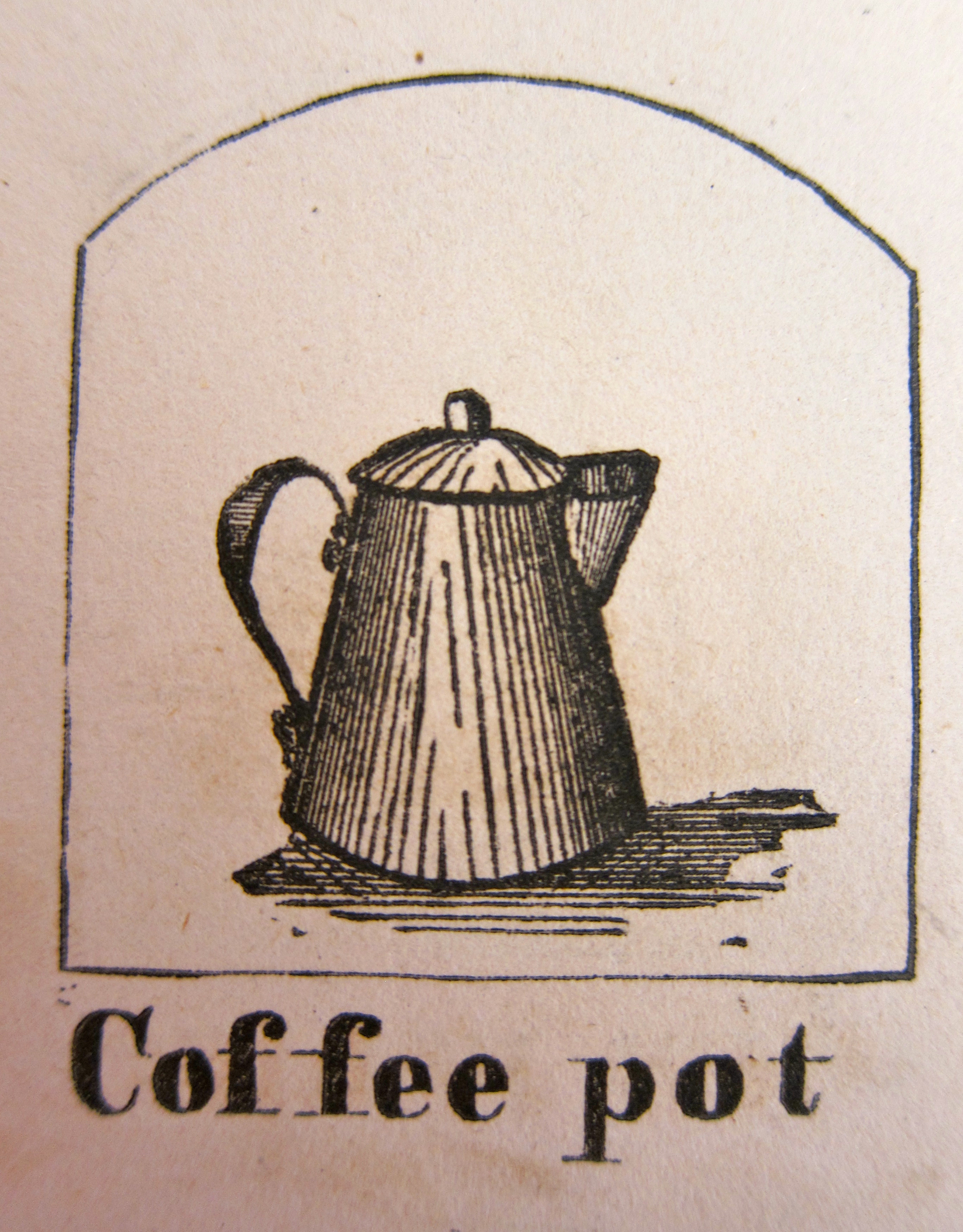
Coffeepot


June 11th Friday  This morning had quite a fuss with

Jane about her coffee & beef &c and cannot put

up with such work and to night have engaged

a new girl  Helen & self carried Mr & Mrs

Orr to the Stoughton cars this afternoon […]

We went to the shops this morning & called

on Augustus Abby & Mrs Witherell


A red letter day for Evelina: She fired Jane McHanna. In Evelina’s mind, Jane’s work had fallen off – particularly when compared to the accomplishments of Mrs. Patterson – and today, after a “fuss” about breakfast, Jane had to go. Their relationship had ever had its ups and downs; today it ended.

The kerfuffle between Evelina and Jane must have been observed, or overheard, by houseguests Robert and Melinda Orr. Perhaps their presence influenced Evelina’s decision to dismiss Jane, Evelina wanting to exhibit higher standards of domestic efficiency than Jane was used to producing. However it came about, the result was that Jane would go. Evelina found a replacement by nightfall, but would Jane be equally lucky?  A lone woman without means, could she find a new position quickly?

The morning’s upset may have lingered in Evelina’s mind throughout the day, but she continued to entertain her Boston guests according to the means at her disposal. Besides calling on various family members, they walked around the shovel works, a tour which would have interested Robert Orr.  He lived in Boston, but his family in Bridgewater and elsewhere had worked with iron for many years.

In the afternoon, Evelina and her niece Helen Angier Ames “carried” the Orrs to the railroad stop in Stoughton and bid them goodbye. It was one month ago today that George Witherell died.

May 30, 1852

OLYMPUS DIGITAL CAMERA

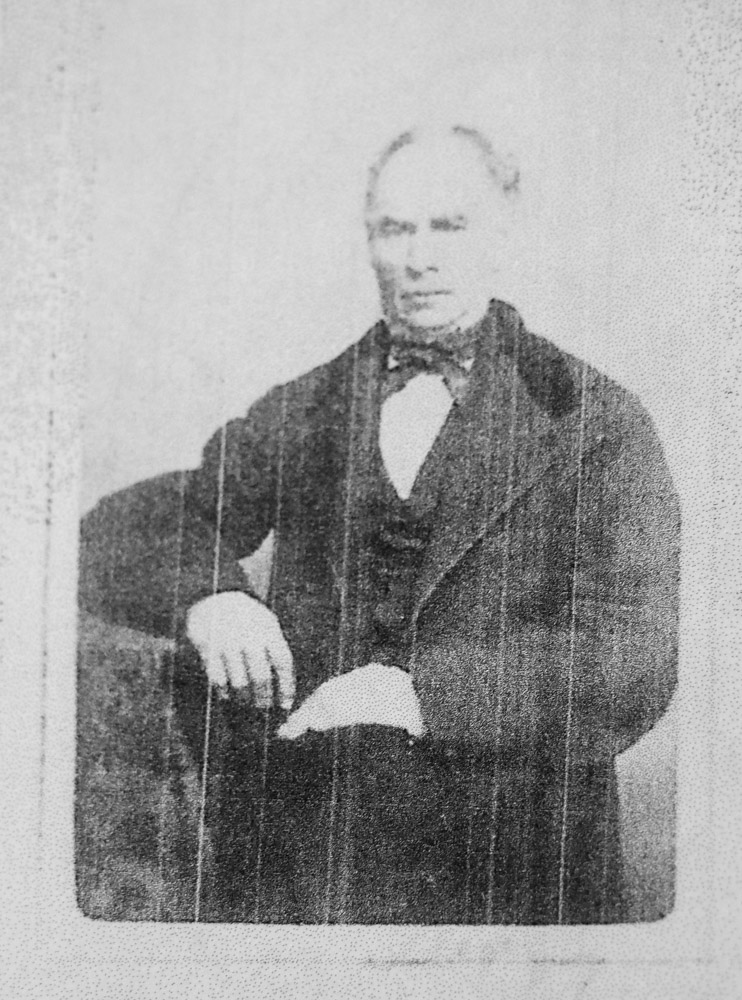
Alson Gilmore  (1798 – 1888)*

 1852

May 30  Sunday  Have been to church as usual  Mr Briggs

of Boston gave us two very excellent sermons

Alson mother & Helen came home with us

at noon.  Augusta has gone home on a 

visit and is going to Foxboro before she returns

Have been reading since meeting and 

called in Olivers and on Mrs Witherell


Evelina’s older brother, Alson Gilmore, turned 54 years old today. He was a farmer – a good one – in the southeastern section of Easton.  He had inherited the property from his father Joshua, probably when the older man passed away in 1836. By that time, older brothers had moved away or passed on, so even as the fourth of five sons, Alson was the heir who took over from his father.

Other than being a productive farmer, Alson was not the most high-profile man in town,  His eldest son, Alson “Augustus” Gilmore, a perennial moderator for town meetings, was more active in civic matters, and his second son, Edwin Williams Gilmore, matured to become the outstanding entrepreneur of a hinge factory. His third son, Francis E. Gilmore, would, in time, take over the family farm as his father had. Alson’s daughters, Rachel, Lavinia, Helen and Hattie, would live theirs lives in Easton, too, two of them marrying.

Alson did play a civic role now and again. For fifteen years, he served as clerk for the Taunton- North Purchase Company, a complicated affiliation based on a seventeenth century acquisition of land that became the towns of Norton, Easton and Mansfield.** He was a selectman for one term in 1849-1850 and also was one of the last treasurers of a toll road that ran between Boston and Taunton, a road that was close to his property. That turnpike, unpopular at best, had only recently closed down.

On occasion, Alson Gilmore ran up against the Ames clan.  His sister may have been been married to one of its most popular and powerful members, but that didn’t prevent Alson from disagreeing with them in a divisive argument over church politics in the 1830s. Alson had been on the side of preserving the familiar Congregational service and Calvinist beliefs, while the Ameses had argued for Unitarianism. With one or two other parishioners, Alson had been threatened with having to bear the cost of paying the minister, Luther Sheldon, while the controversy wore on. In Chaffin’s words, “the situation was very peculiar,”* and ultimately, it was resolved to no one’s complete satisfaction.

With Evelina, Alson shared the responsibility for looking after their elderly mother. It was a duty they both took seriously. He seems to have been a decent man.

Image of Alson Gilmore courtesy of the Easton Historical Society

** William Chaffin, History of Easton, Massachusetts, 1886, pp. 19 – 38

**Ibid., p. 354.