May 14, 1851


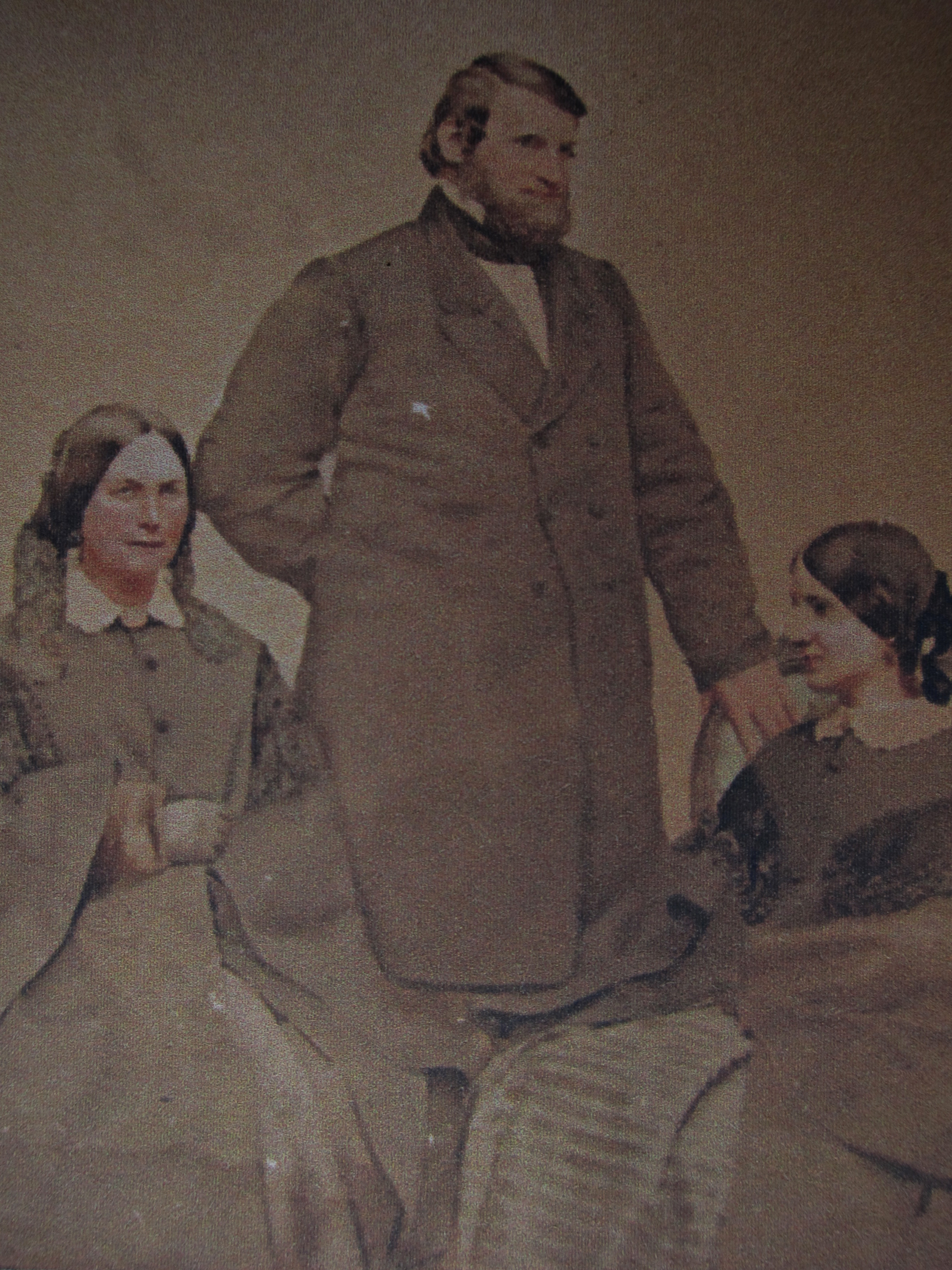
Evelina, Oakes and Susan Ames, ca. 1860 Archives at Stonehill College, Easton, Massachusetts

Evelina, Oakes and Susan Ames, ca. 1860
Archives at Stonehill College, Easton, Massachusetts

Wednesday May 14  Susans birth day and she has had a little

party.  Julia has been here to work on Orinthias

dresses.  Ellen Howard called this evening

came from Jasons. Mrs Holmes called a 

few moments this morning.  I have swept

and dusted the front chamber and taken the 

carpet from the stairs and painted them It

has been a confused day. Pleasant this afternoon

Augustus gone to Boston


Another interruptious day, filled by “confused” and overlapping events: Susie Ames’s birthday party, Julia Mahoney’s work on dresses for Orinthia Foss, calls from Ellen Howard and Harriet Holmes, the usual choring in the downstairs rooms, not to mention Evelina’s removing the carpet from the stairs and painting the treads. What commotion.

Susan Eveline Ames, the only daughter and youngest child of Evelina and Oakes Ames, turned nine years old today and was treated to a little party. Did she have friends over or was the party strictly en famille? Did she have cake? Ginger snaps? Presents? What was a nine-year-old’s birthday party like in 1851?

Born in 1842, Susie Ames came along several years after all her big brothers were born. From the beginning, she was raised differently from them. While they were slated to work, earn and provide, her education and training were oriented toward a future of domestic responsibilities. Like most girls of the time, she was brought up assuming that she would marry and raise a family. If she failed to marry, she would have to make her way as a spinster aunt living with one or more of her brothers, or become a schoolteacher like Orinthia Foss. Which route was hers?  Marriage.

On January 1, 1861, Susan married Henry W. French, a wool merchant. She was 18 years old; he was 27. For many years, the couple lived in the Ames house with her parents, and possibly looked after the house during the periods when congressman Oakes and Evelina were in Washington. For a time, Susan and Henry lived in their own home on Main Street, on the site where the Oakes Ames Memorial Hall came to be built circa 1880.

As Evelina moved into widowhood and grappled with illness and age, Susan looked after her. She and Henry never had any children, so the particulars of her story weren’t passed on to interested offspring. She only comes to life in her mother and brother Oliver’s journals.


May 12, 1851

ServiceBerry1

Monday May 12th  Was about house all the forenoon but

cannot tell what doing  Jane has done the washing.

Orinthia washed the dishes for her. This afternoon

Orinthia and I have been out to plant the flower seeds

and I got some Shad berry & Burgundy Rose bushes

from Olivers & flowering Almonds from Alsons We 

were at work in the garden three or four hours

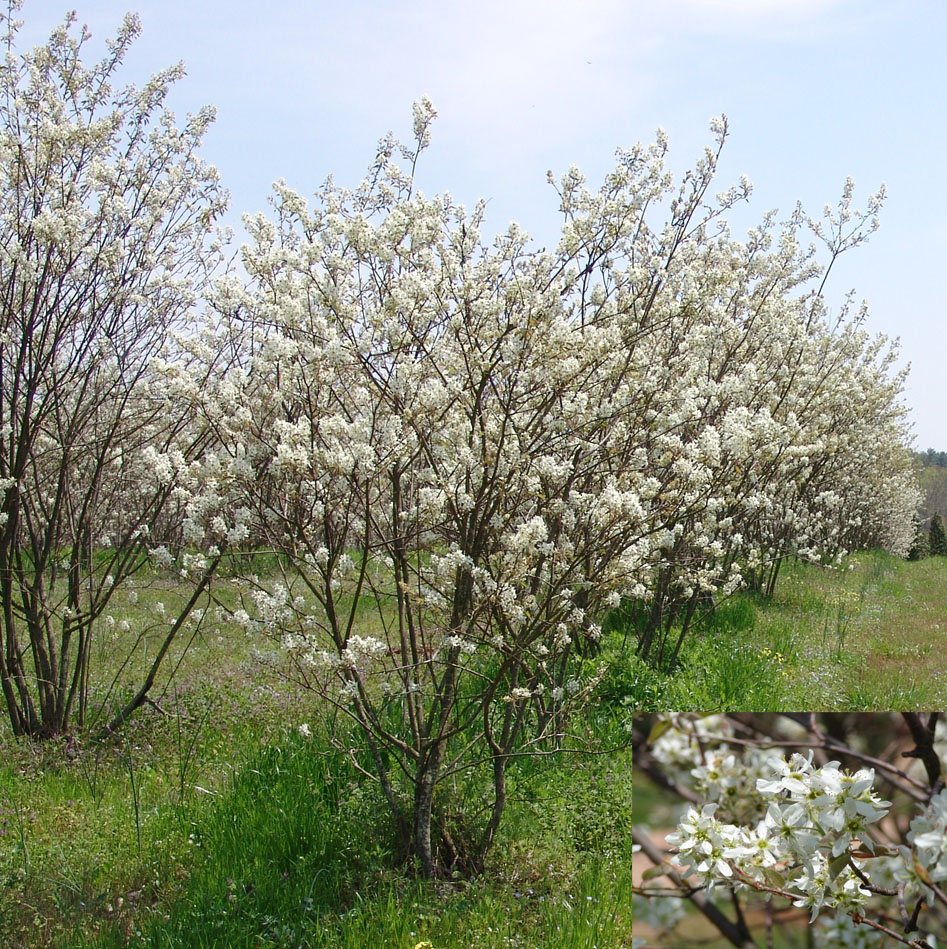
A sure sign of spring in New England is the blooming of the shadbush.  Because its little white flowers are among the earliest to be seen, its blossoms were often used at springtime funerals in the seventeenth, eighteenth and nineteenth centuries. Thus shadbush is also called the “serviceberry” bush for its appearance at funeral services; in some other locations it’s known as the “Juneberry” bush.  Wherever and whenever it grew, its presentation of blossoms was as welcome as the first robin.  The red berries it produced could be used in pies or, if not harvested, would be consumed by those same robins and other birds like cedar waxwings.

The shadberry bushes at Evelina’s were most likely planted out back behind the house near the Queset Brook, where they would tolerate the partial shade and indifferent soil.  However, the Burgundy Rose bushes that Evelina also obtained from her obliging brother-in-law, Oliver Jr., would have required a more selective location in the sun.  Were those roses planted right in Evelina’s flower beds?  Were they as red as their name sounds?

Her brother, Alson Gilmore, provided Evelina with flowering Almond bushes (Latin name is Prunus triloba.)  In contrast to the white serviceberry and the red roses, the flowering almonds produced pink blossoms.  Evelina was evidently aiming for a rosy spectrum in her yard. The flowering almonds like sun, so where might she have planted them?

The work of planting the various bushes took Evelina and Orinthia several hours to complete, and must have given them a real sense of accomplishment – not to mention sore backs.

May 10, 1851

7411thumb2

Sat May 10th  My bonnet does not fit me at all.  Mr Ames

called to see if they would take it back & make

me another I shall have another journey into

Boston for a bonnet. I have not felt like

doing much to day and never do after being

in Boston. Orinthia came home to night in

fine spirits. feels rather better satisfied with

her purchases that I do. The weather tolerably pleasant.

The bonnet that Evelina ordered from Alfred Remick & Company in Boston didn’t fit, so Evelina asked her husband Oakes to return it for her while he was in Boston.  He always went into the city on business on Saturdays.  The idea of Oakes Ames, a tall, large-chested man with a charismatic but somewhat rough-hewn manner, standing at a millinery counter negotiating the fine points of his wife’s headware, is a mental image to be treasured. This man, who could build shovels, advise a president, and imagine a continental railroad, could also cajole a store clerk and convince him or her to take back the hat his wife just bought. Oakes Ames was a force to be reckoned with, a force who also loved his wife.

Evelina, having dispensed her husband on that important errand, puttered around the house in desultory fashion as she was wont to do after a trip to Boston.  Schoolteacher and boarder Orinthia Foss returned to the house from the city happy and light-hearted, pleased with her shopping.  She must have brightened Evelina’s flagging spirits – or made her more disappointed with her own acquisitions.

May 9, 1851

champney2-thumb

*

May 9th Friday  Went out shopping about eight Oclock

and at ten met Mrs George Ames at Mr Daniels

She walked around with me looking for a dress

and other things, likewise met Abby & her cousins

and about 5 Oclock came across Orinthia She

said she should certainly be at home, but missed

of the cars. Mrs Ames left at half past 5 for N.Y.

with Mr Peckham. Returned home much fatigued


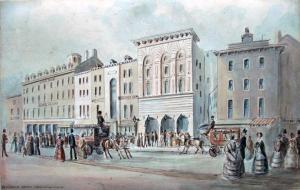
In Boston, stores opened so early that Evelina could start shopping at eight in the morning. She had ordered a bonnet the day before which she was able to pick up later in the day, so today’s shopping was more leisurely. She and her cousin-in-law, Almira Ames, stepped along “looking for a dress and other things.”  They probably walked along Washington Street and its side streets. Others from Easton were in town, too: her niece Abby Torrey and her own boarder, Orinthia Foss. The women were breaking out of their little town to find goods in the big city. The weather must have been especially cooperative.

Evelina finally returned to Easton “much fatigued.” Almira Ames, meanwhile, left for New York accompanied by the head clerk for O. Ames & Sons, John Peckham. They would have traveled by stagecoach or train from Boston or Stoughton. They were not running off together.  Rather, Mr. Peckham had shovel business in the city and, like a gentleman, accompanied the Widow Ames on what otherwise would have been a solo journey for each of them. Presumably, Almira lived in New York at this point in her life, although previously, she had lived in North Easton.


*Benjamin Champney (1817-1901), New Boston Theater, Washington Street, 1850

WC GC031/Benjamin Champney Watercolors Collection, Princeton University Library


May 8, 1851


image


Thursday May 8  Went to Boston and walked around

all day trying to find a bonnet but could not get

one to fit me ready made. Engaged to have one

made of blue plaid silk at Alfred Remick & Co.

Went with Oakes Angier to call on Mrs Stevens

She spent the night with me at Mr Orrs

Julia was at home and a Miss Orr a cousin or hers,

was there & Miss Foule dress making


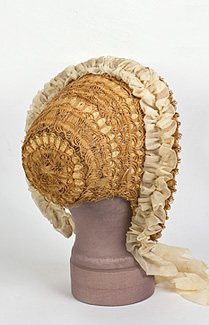
Evelina left off gardening today to go bonnet-hunting in Boston, for it was the season to switch from winter to summer headware.  She searched from store to store and must have visited a range of establishments running from small millinery shops to larger dry goods stores.  She would have seen bonnets displayed on mannequin heads such as the one in the illustration above.  Try as she might, however, she couldn’t find one she liked, so she ordered one instead.

Alfred Remick & Co was one of many dry goods merchants in the city. In 1851, Boston was a premiere center for the dry goods trade, according to the Boston Board of Trade, which reported years later that “according to our extensive New England domestic manufactures, Boston was from 1830 to 1850 the chief Dry Goods market of the country.” * Boston had lost that dominance by the outbreak of the Civil War and, with the ongoing and rapid settlement of the west, the competitive reach of rail freight traffic, and the impetus to widespread manufacturing brought on by the war, Boston never regained its preeminence.

Such concerns were not in Evelina’s mind, however, because she needed a new bonnet and couldn’t find one. After finally placing her order, she and Oakes Angier, the eldest son who carried her into town, called on a family friend, Mrs. Stevens.  As usual when staying in Boston, Evelina spent the night at the Orrs’ house.

*Annual Report of the Boston Board of Trade, Merchants Exchange, 1881, Vol. 128

April 29, 1851

CultivationToolsBP

April 29 Tuesday  Frank has finished the beds in the flower

garden and I have set out some plants that Henrietta

gave me and some that I bought of Edwin Manly paid

him one dollar Julia here finishing the dresses for

Susan & my blue Delaine dress.  Mrs George Ames

& I went to Sharon and spent the afternoon

Had a pleasant ride with Dominic


Three spheres of activity informed Evelina’s day. First was gardening, made possible by Frank Morton Ames finally finishing tilling the soil in the flower beds.  He and others had been loosening the soil off and on for several days, which raises the question of how many flower beds Evelina had, and how large they were, and where they were situated relative to the house. Evelina “set out” some plants that she got on Saturday. One group came from her sister-in-law, Henrietta Lincoln Gilmore, at the Gilmore farm; she probably got those for free.  The other group from Edwin Manley, however, she had to pay one dollar for.

The second sphere of action was sewing, of course, which always seemed to be going on in center ring at the Ames house. Today Julia Mahoney, the dressmaker of choice, worked on a dress for Susan and a blue delaine, or light wool, dress for Evelina. The warm weather would soon arrive and the lighter dresses would be needed.

The last sphere was a nice change of pace – literally – for Evelina and her cousin-in-law, Almira Ames. With Dominic, a horse, pulling them along, the two women drove the carriage (or were driven) to nearby Sharon. Whom did they visit? Did they shop in the town?  The ride was pleasant, whatever the errand.


April 25, 1851

Coat

1851

Friday April 25  Have done some mending and been putting

things in order about the house Made Mrs

S Ames bed and stoped with her awhile

This afternoon mended Oakes Angier two coats.

dirty things they were! Met Mis[s] Foss coming from

school and called with her at Mrs Holmes & Mrs 

Connors spent the evening with Mrs S Ames

Mr Harrison Pool & wife & Mrs Horace Pool called

Sarah Lothrop Ames was still sick and unable to get up and around. Once again, Evelina went next door to visit and helped out by making Sarah’s bed up fresh.  Later in the day, Sarah had a companion, Mrs. Connors, sit with her. Was she being “watched” or was she on the mend? Who made the decision to have someone sit with her?  Her husband or her female relatives?

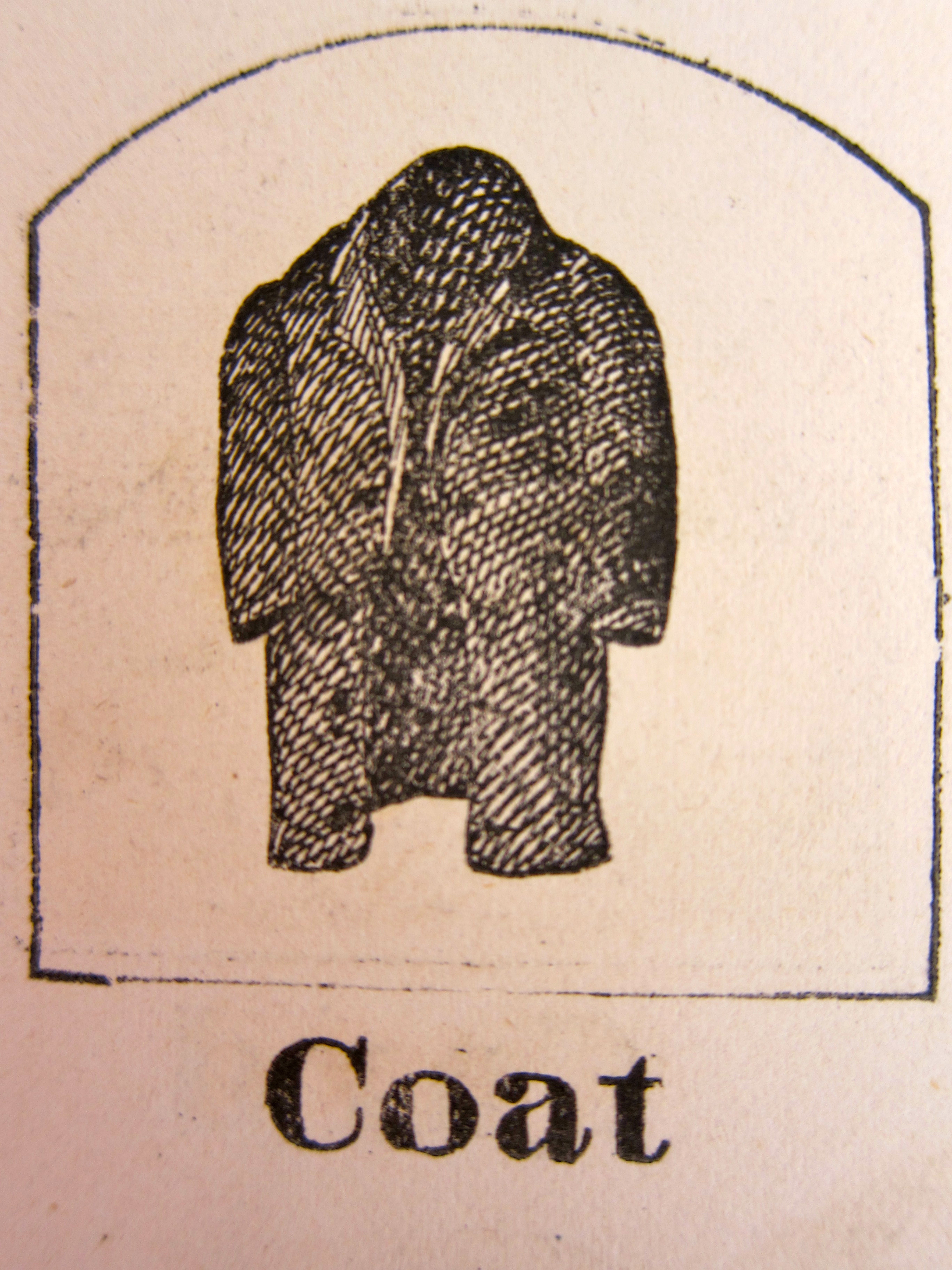
Mending and housework otherwise took up Evelina’s time today. She and Jane McHanna were still carrying on with spring cleaning, but the effort was sporadic lately, with mending taking over much of Evelina’s time. In the transition from cold to warm weather, all the spring and summer wardrobes had to be brought up to snuff, “dirty things” that some of them were.

The Pools came to call this evening.  Harrison and Horace Pool were brothers, fifteen years apart in age, who lived in the south eastern section of Easton, near the Raynham line and the Gilmore farm.  They made mathematical instruments: surveyors’ tools, levels, compasses and thermometers, among other items. Harrison’s wife was Mary J Pool, a young wife close in age to Oakes Angier.  Horace’s wife was Abby A. Pool, identical in age (43) to Evelina.  Mary and Abby were members of Evelina’s Sewing Circle, two of the women who didn’t attend the meeting that Evelina held back in February. Evelina would have grown up knowing the Pool (also sometimes spelled Poole) family.

April 23, 1851

Thumb

1851

Wednesday April 23d  Julila Mahoney here again to day making

Susans dark plaid print & borage delaine dresses.  I have

been sewing with her but have had many interruptions

Mr Whitwell called, Jane has cut her thumb very

bad, the nail is most off  have done it up in

borax  Carried my work awhile & sat with Mrs S Ames

Susans print dress most done It is quite pleasant

after so much bad weather

Abraham Lincoln coined an adjective that didn’t outlast his use of it, but it seems apt for the kind of day that Evelina had: “interruptious.”  While wanting only to sew, Evelina had to cope with unanticipated diversions throughout the morning. Julia Mahoney, the dressmaker, sat in a chair and sewed, surrounded by various cuts of cloth from two different dresses. Jane McHanna, probably while in the kitchen preparing food, almost cut the nail off her thumb, causing bleeding that would not have been easy to stop, and putting her out of commission for the day, at least. Reverend Whitwell called – probably instantly wishing he had chosen a different day to pay a visit.  The scene would be farcical were it not for the pain Jane obviously suffered with her thumb.

Evelina treated Jane’s thumb with borax, a mineral that we might think more properly used in detergent. To Evelina, borax was evidently a familiar way to stop bleeding and bind a cut.  Other home remedies for cuts, according to Lydia Maria Child, respected author and consummate advisor on household concerns, suggested treatment with an application of salt or molasses. In her book, The American Frugal Housewife, Child also recommended “Balm-of-Gilead buds bottled up in N.E. rum” as “the best cure in the world for fresh cuts and wounds. Every family should have a bottle of it.”

After the domestic drama of the morning, Evelina had a quieter afternoon. She spent some time with her sister-in-law, Sarah Lothrop Ames, who was still quite sick.  She probably took a deep breath of sweet spring air as she walked next door to see the invalid, welcoming the sunny change from all the recent rain.

April 20, 1851

Lobster

1851

April 20  Sunday  Another severe storm it snows some

but most of the day it has rained in torrents

Not one of the family have been to church.

The children have been pretty wide awake for 

the sabbath and made not a little noise.  Harriet

& Anna were here to supper  had Lobster.

Rec d a letter from Pauline this morning.

The weather this April just wouldn’t quit.  The prospect of all the Ameses trapped indoors yet again by “another severe storm,” is dreary.  Surely Evelina missed being able to get to church. Oakes could escape to his office, at least, but Evelina was in the house with many family members. The little children coped, however. After their train trip, Frank, John and Anna Mitchell seemed delighted with the relative freedom and novelty of visiting their relatives. They romped and played, making “not a little noise.”

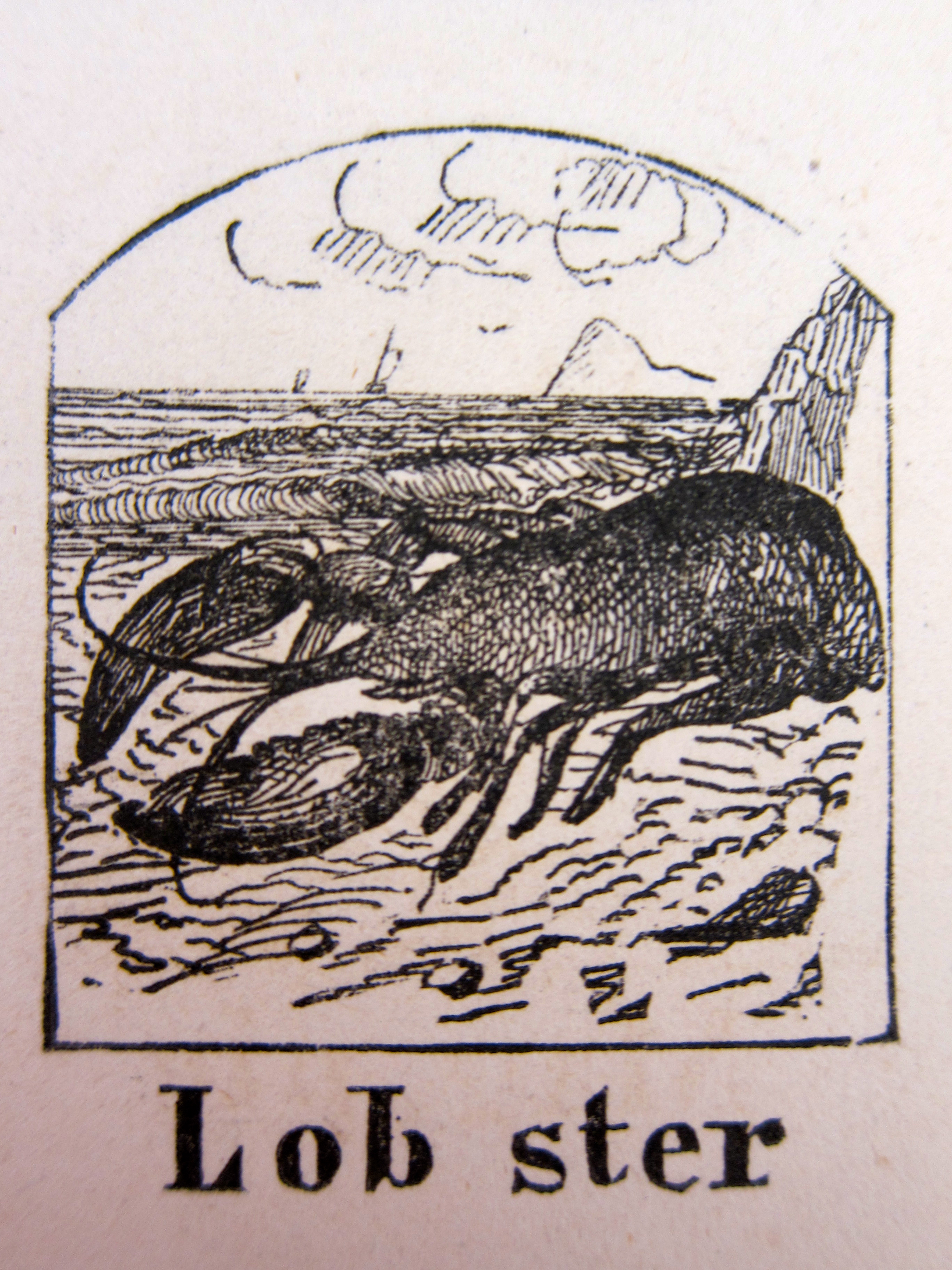
Lobster was served for supper, a change of pace from more usual fare of beef, bread and pie. Until very recently, lobster had been considered a dish fit only for the lower classes, a sure sign of poverty. It was so cheap that it was often served in prisons. In the novel Little Women, Amy March was embarrassed when a handsome young man bumped into her on the omnibus while she was carrying one in her basket.  Only at mid-century did the crustacean’s “vulgar size and brilliancy”* begin to appeal to the more affluent. Whether Evelina served it because it was beginning to be fashionable to do so or because it was still a very economical meal is hard to say.  Certainly, it was easy enough to obtain. Oakes probably picked it up the day before while in Boston.

The indefatigable Sarah Josepha Hale offered a recipe for stewing lobster that included the direction: “If you have no gravy, use more butter.” She also suggested that lobster could be eaten cold, “with a dressing of vinegar, mustard, sweet oil, and a little salt and cayenne. The meat of the lobster must be minced very fine; and care must be taken to eat but a little of this dish.”**


*Louisa May Alcott, Little Women, 1868-1869

** Sarah Josepha Hale, The Good Housekeeper, 1841


April 12, 1851

City

1851

April 12 Saturday  Went to Boston with Mr Ames. Have 

purchased a carpet & paper for the dark bedroom,

bought Susan a dark french print & borage

DeLaine Bible &c &c dined at Mr Orrs no one

at home but Mrs Orr & Mr Norris.  All gone to East

Bridgewater Mrs George Ames returned from 

New York with Mr Peckham Snowed a

little this morning but otherwise pleasant.


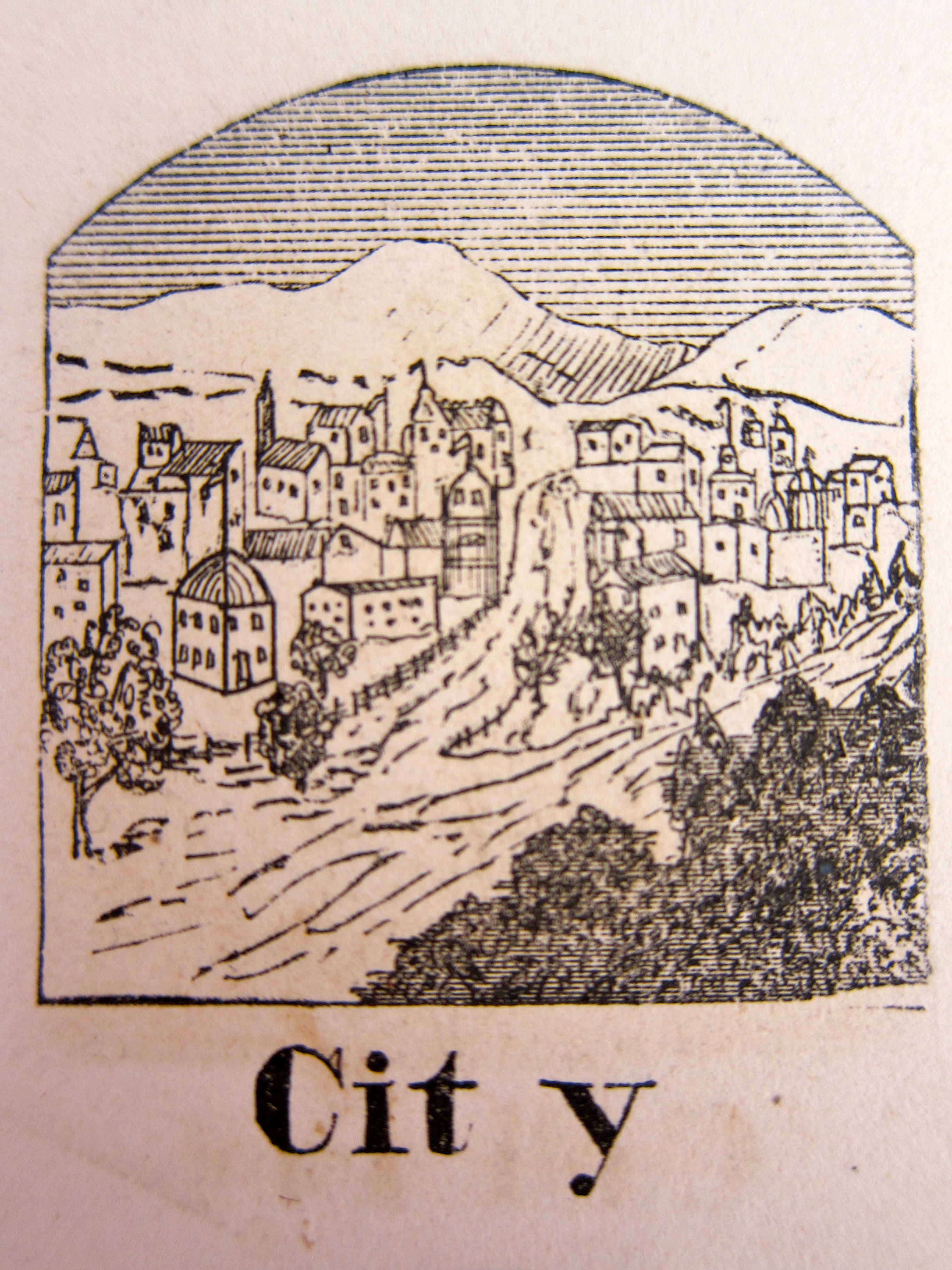
Oakes Ames made his usual Saturday trip to Boston and took a happy Evelina with him. It was the first time she had been to the city since January 17, and she didn’t seem to mind a light snow at the start of her journey. After three months in the country, she was excited to be in town, gazing at cobblestones, masonry, store fronts, and being part of the bustle of carriages and pedestrians.  Time to do some shopping.

She found some fabric for dresses for Susan. She bought a Bible. For whom? Why? With purpose and forethought, she selected new carpet and wall paper for at least one of the bedrooms at home that she and Jane had emptied out the day before. The carpet and wall paper, and more perhaps, would surely be delivered to North Easton rather than carried home.

As she had before, Evelina and Oakes, presumably, dined with their long-time friends, the Orrs, whose family, like theirs, had originally settled in Bridgewater. Evelina often stayed with the Orrs, but today she and Oakes only dined with Melinda Orr (Mrs. Robert Orr) and her son-in-law, Caleb Norris.

Today also marked a return visit to Easton by Almira Ames, widow of Old Oliver’s nephew George. She was a first cousin by marriage to Oakes, Oliver Jr., and Sarah Witherell and was used to visiting North Easton. In fact, she had spent enough time in North Easton to be listed in the 1850 census as living in the Ames household. In 1851, however, Almira seemed to be living in New York City. She was something of a favorite relative among the Ames women.