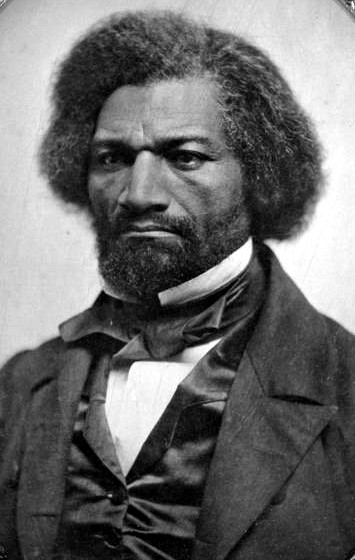
July 5, 1852


Motto_frederick_douglass_2

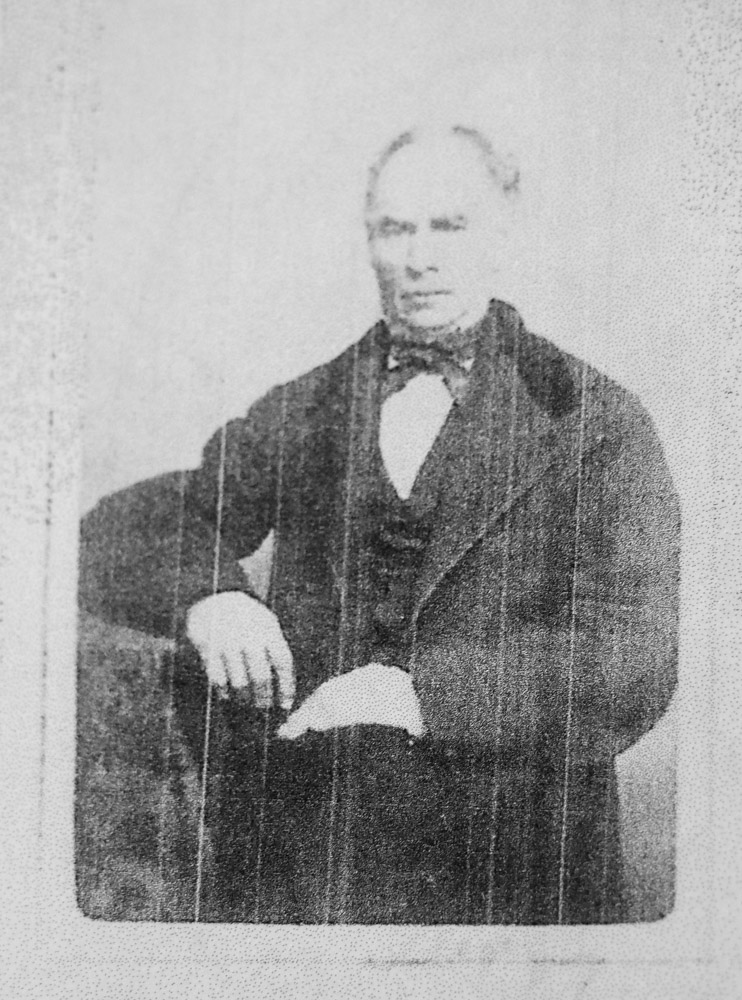
Frederick Douglass

(1818 – 1895)

1852 July 5th Monday  Orinthia & Lavinia went to Boston with

lots of others this morning  Orinthia is going to Maine 

on a visit  Mary came to sew or to see what she

can do. I have been sewing some to day and hope 

now that I shall be able to [do] more than I have

Have finished my brown muslin.  Augusta

has been here in this afternoon and this evening

we have been to see the fire works at Mr Russels

The nation was 76 years old. The Fourth of July having fallen on a Sunday, however, the celebration of it was deferred to Monday. Thus Evelina and Oakes and, no doubt, their sons and daughter went to Mr. Russell’s tonight to watch some fireworks. Others traveled into Boston, perhaps to see the fireworks there.

Mr. Russell may have been Edwin Russell, a shoemaker. The Ameses knew the family, certainly, as all three sons had attended a funeral back in January for Edwin’s father, Frank. If it was Edwin who hosted the fireworks, his may not have been as elaborate as those that would be seen in Boston, but he was following a tradition established by John Adams at the very beginning of the republic.

In a letter to his wife, Abigail Adams, on July 3, 1776, John Adams described his grand vision for a commemoration of the nation’s birthday.  It was to be celebrated “with Pomp and Parade, with Shews, Games, Sports, Guns, Bells, Bonfires and Illuminations from one End of the Continent to the Other from this Time forward forever more.” His vision was realized by 1777 when both Philadelphia and Boston – and other cities or towns, perhaps – set off Fourth of July Fireworks. A tradition was born.

Not everyone celebrated the nation’s birthday, however, as Frederick Douglass, probably the country’s most prominent African-American, pointed out on this date* in a speech now famously known as “What to the Slave is the Fourth of July?”  He said:

“I am not included within the pale of glorious anniversary! Your high independence only reveals the immeasurable distance between us.  The blessings in which you, this day, rejoice are not enjoyed in common. The rich inheritance of justice, liberty, prosperity, and independence, bequeathed by your fathers, is shared by you, not by me.  The sunlight that brought light and healing to you, has brought stripes and death to me. This Fourth July is yours, not mine.  You may rejoice, I must mourn.”**

Douglass eloquently  described the fissure between white lives and black, yet he did “not despair of this country. There are forces in operation which must inevitably work the downfall of slavery…” ** He rightly predicted its elimination, but even he could not have predicted the carnage and destruction that the end of slavery would cost.

Frederick Douglass, “What, to the Slave, is your Fourth of July?,” various dates cited for this speech: July 5, 1852 or 1854.
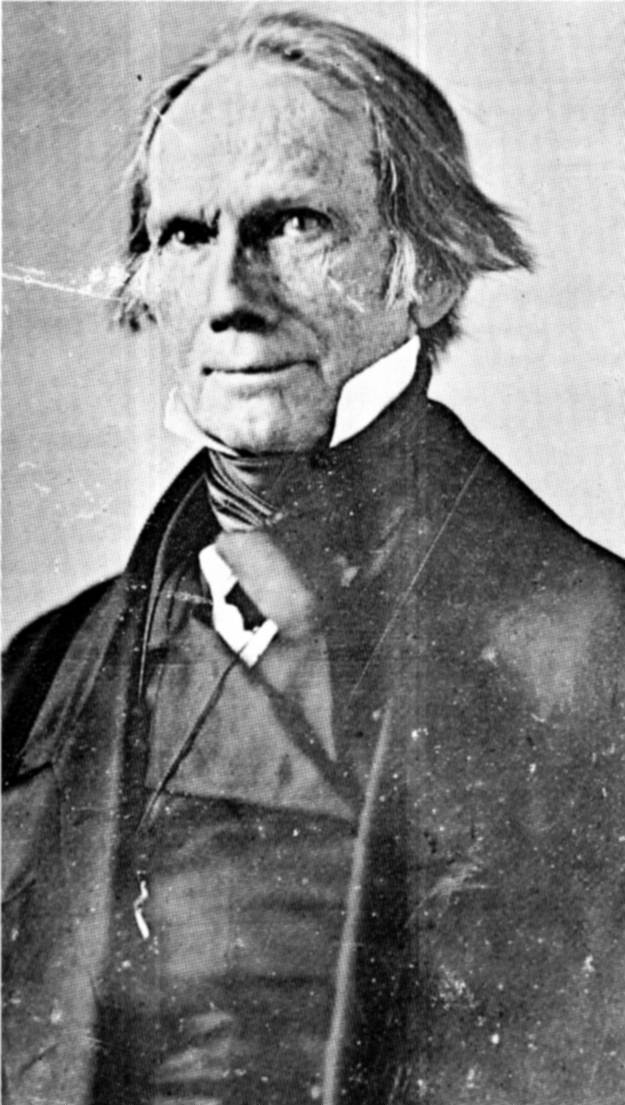
 

June 29, 1852

22633861_126751003919

Henry Clay

(1777 – 1852)

1852

Tuesday June 29th  Have had a quiet […] sick day  have

a bad cold & cough and sick head ache

A gentleman here from Pennsylvania

to dine but I did not go to the table

Mr Bartlett here to tea from Maine

Augusta came in and cut her out a

visite & I have written to Melinda to

get some trimming for it  Ottomans came

from Boston

Evelina was sick and probably spent most of the day in bed. She didn’t eat much, missing midday dinner – with company – and possibly skipping tea, too. Perhaps she took a tray of food in her room. She must have begun to feel a bit better, however, as she eventually roused herself to cut out a “visite” for Augusta Gilmore, who came over at the end of the day.  She even wrote to her friend Melinda Orr, in Boston, to find some trim. She could get animated about a sewing project, though not much else appealed to her today.

It was “a fair warm day + verry dry,”* and probably “verry” good for the haying that was underway. Old Oliver and a team of hands would have been outdoors from sunup to sundown.

In the world beyond North Easton, a consummate, outspoken and controversial politician passed away today: Senator Henry Clay of Kentucky, aged 75, died in Washington D. C., of consumption. The Ameses wouldn’t have known this, however, until they read the next day’s newspapers. But most likely they admired Clay, the “Star of the West,” and the founder of the Whig Party. Clay’s biggest opponent back in the day had been Andrew Jackson, who called Clay “the Judas of the West.”  One imagines that Oakes Ames had probably been on the side of Clay’s admirers.

*Oliver Ames, Journal, Stonehill College Archives, Arnold Tofias Collection

June 28, 1852

Haymaking

1852

Monday June 28th  Have been about the house at

work most of the day  Swept most of the 

house except the parlour.  washed the

front stairs and have the house in pretty

good order  Mrs S Ames came in with her 

work and stoped an hour or two something

unusual for her  Hannah came to spend 

the evening but I had gone into Edwins and

she went in to see Mrs Witherell


Either Evelina felt better this morning, or her habit of working simply wouldn’t let her be idle. In the course of the morning, she swept most of the rooms and washed the stairs while her servant – Hannah Murphy, most likely- did the laundry and prepared the midday dinner. In the afternoon, Evelina at last sat down. Sarah Lothrop Ames came over – “something unusual for her” – and they visited and sewed together. Evelina was usually the one who went next door, not the other way around. In the evening, Evelina even felt well enough to go across the street to see Edwin and Augusta Gilmore.

The highlight of the day, however, had to be the commencement of haying. Old Oliver reported that “this was a fair warm day wind south west + verry dry We begun haying to day.”*  The calendar may have indicated that summer had barely begun, but everyone knew that fall and winter lay ahead. That hay would be essential. And now that haymaking had begun, perhaps Old Oliver would be less irritable with his family members.


Oliver Ames, Journal, Stonehill College Archives, Arnold Tofias Collection

June 27, 1852

??????????

Carl Christian Anton Christensen, “Interior of the Carthage Jail”*

1852

Sunday June 27  Have not been to meeting at all

to day on account of having a bad cough

Alson came here at noon with Mr

Ames  Have been reading most all

day  Augusta made a call this morning

to say she should not got to meeting

Made ice cream this afternoon


Evelina felt ill today and missed church. Other Ames family members, however, attended the Unitarian meeting. Mr. Whitwell probably led the service in the typically thoughtful but unadorned style of this Protestant sect. Other services around town, such as the Catholic mass at the chapel on Pond Street, would have been more elaborate, with communion being taken, for instance, the service in Latin, and a great focus on Christ, the Virgin Mary, and various ancient saints.

In Salt Lake City, many miles to the west, a different service altogether would have been held at the Church of the Latter Day Saints, known to most of us as the Mormon Church. Believers in Jesus Christ, the Mormons were, and are, a truly modern religious group, having only developed in upstate New York during the 1820s from the sayings and visions of their leader, Joseph Smith. Smith and others tried to lead his followers West to settle with more freedom than they had in the East, but ran into many problems and pockets of persecution along the way.

In fact, on this exact date eight years earlier (June 27, 1844), Joseph Smith and his brother Hyrum were killed by a mob while in jail in Carthage, Illinois. The illustration above is a folk painting of that murder by a 19th century artist. Smith’s followers recovered from this tragedy and found a new leader in Brigham Young (and others, known as apostles), who led them to the Great Salt Lake in Utah, where they founded Salt Lake City in 1847.  By 1852, the year that Evelina is recording in her diary, the Mormons were well established there.  In August, 1852, in fact, the elders of the church would approve the practice of polygamy, a choice that would bring them certain notoriety.** They were, and are, a sect unto themselves.

In years to come, Oliver Ames Jr. and Oakes Ames would have extensive dealings with Brigham Young over railroad matters.

Image courtesy of the Brigham Young University Museum of Art

** In 1890, the LDS would renounce the practice of polygamy.

June 25, 1852

hand-sewing-color-grown-cotton-pajama-pants-for-a-toddler

1852

June 25 Friday  Worked about house all the forenoon 

but can scarcely tell what I was doing but

know I wasnt idle. This afternoon have

been mending different articles Hannah

mended the stockings.  I hope she is going 

to be a pretty good girl.  Mr Whitwell called

Called at Edwins this evening  Augustus & wife

Edwin & Elisha Andrews gone to Alsons


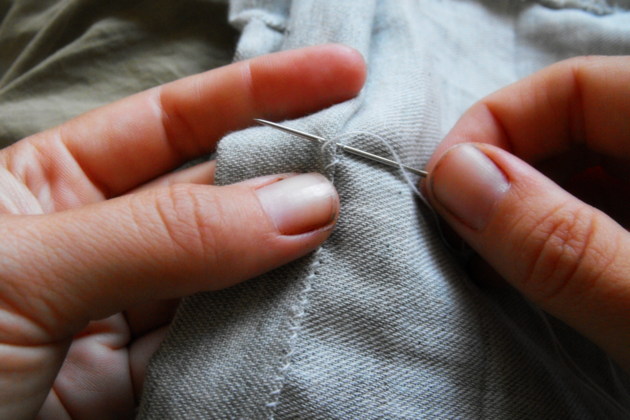
New servant Hannah Murphy was “pretty good” today helping Evelina mend the family stockings. Mending was never Evelina’s favorite duty.  She often put it off, preferring instead to head for the garden or slip next door to chat with one of her sisters-in-law. But what she seemed to prefer most of all was to sew. Cutting cloth for a new dress, or refashioning a waist in an old one, finding just the right trim for her sleeves, or making multiple buttonholes, such was her passion. Evelina loved to sew.

If Evelina had lived today rather than in the 19th century, would sewing still have been her favorite occupation? Freed from her domestic obligations as a 19th century housewife, and no longer in the thrall of the patriarchal laws and mores of the day, what could she have accomplished?  She was so tactile that it’s hard to imagine her abandoning her needle, or not using her hands. Might she have become a textile artist? A craftsperson? Or had a career in fashion?

We know that Evelina was hardworking; as she herself points out, “I wasnt idle.” Whatever career we might imagine for her to excel in, she would have committed to it as surely as she did to her domestic agenda in the 1850s. Yet the fantasy of transporting Evelina to the 21st century ultimately falls flat.  She was too much a creature of her own time and place, as we all tend to be, and not unhappy with her lot in life – even while mending.


June 20, 1852

Lemon

Sunday June 20th  Have been to meeting all day Mother

went this afternoon and returned home  Mr Sanger

of Dover preached  Since meeting have been to 

Alsons with Edwin & wife & Oakes Angier.

Called at Mr Pools  Was treated with strawberries

& ice cream at Alsons and with lemonade

at Mr Pools  Frank went to a sing at Cohassett

Father gave me quite a lecture on cooking stoves

says we have had a dozen and we have had four


No Mr. Whitwell at church today. Instead, Rev. Ralph Sanger of the First Church of Dover led the service. Dr. Sanger was an older minister in the area, having graduated from Harvard in 1808, a year before Evelina was born. He had spent his entire ministerial life in Dover where he was well regarded. He also served several terms in the Massachusetts Legislature and was the chaplain for the Massachusetts State Senate.

After church came an afternoon of sweet sensations. Strawberries, ice cream and lemonade were served at two different homes where Evelina, Oakes Angier, and the young Gilmore couple called. The fresh fruit was a seasonal treat, and the ice cream and lemonade no doubt delightful as well.

Not all was sweet at home, however. Old Oliver got cross with his daughter-in-law and gave Evelina “quite a lecture” about her cooking stove. She was about to get a new one in her kitchen, certainly with her husband’s approval, but her father-in-law had no patience for it.  He didn’t see the need to update the kitchen equipment. We might remember that Oliver had grown up watching his own mother cook over a hearth, a style of cooking that had served for generations.  And here was his daughter-in-law planning to install another stove under his roof.

Even the little bit of rain that fell around sunrise didn’t cheer Old Oliver up.

June 13, 1852

Lobster

June 13

1852 Sunday  Went to meeting this morning & returned

at noon and mother came with me to make

a visit  Did not go back this afternoon on

account of getting tea  Mr Patterson is here

came last night  Edwin & wife stoped to 

tea from meeting had lobster.  Read to

mother in  [entry incomplete]


The Sabbath was another “fair day + pritty warm + verry dry.”* Old Oliver had to be getting edgy about the prospects for this year’s hay crop, not to mention the potentially poor output from the cornfields and the crop gardens all around town.

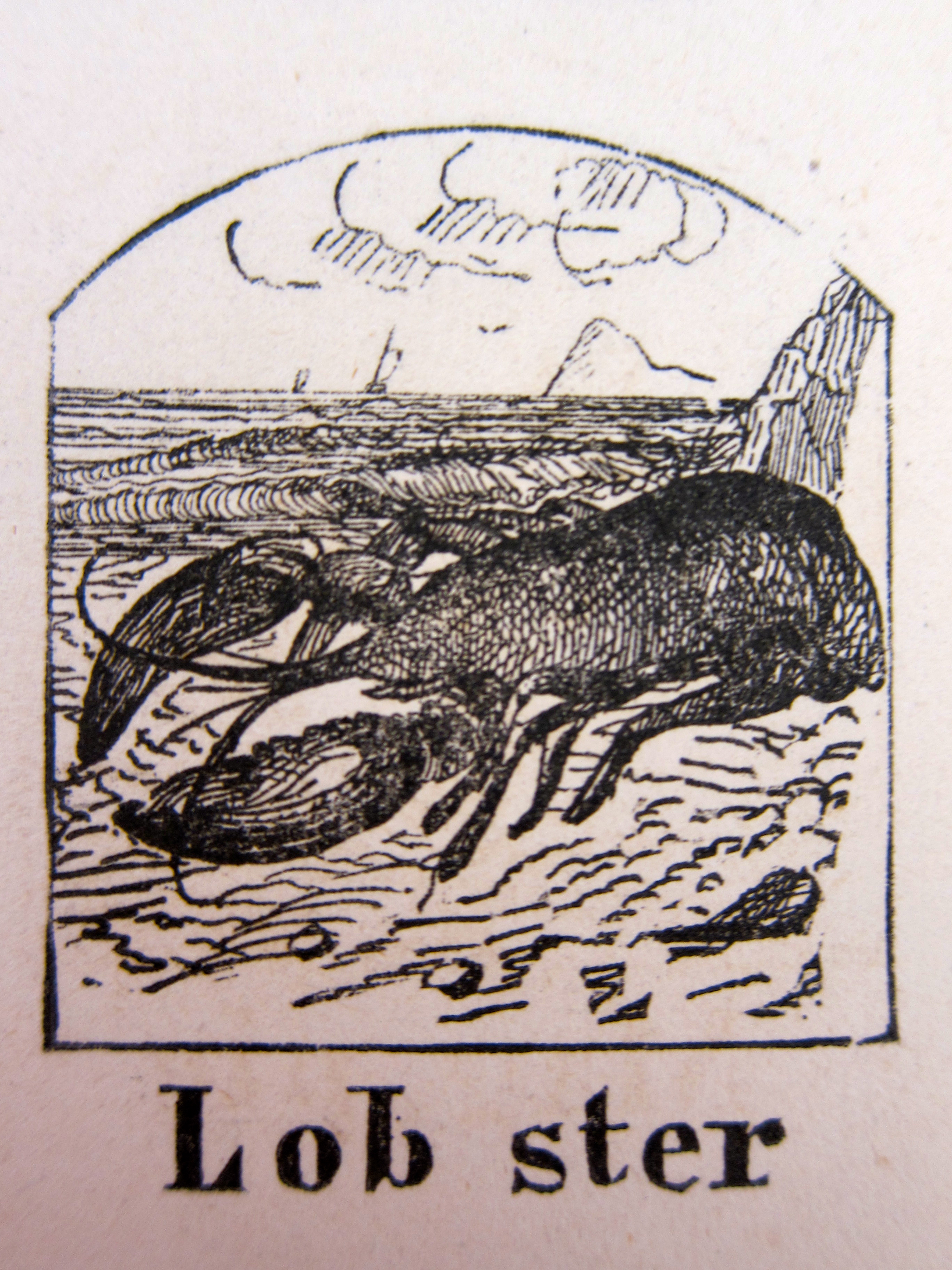
The family all trooped to church for the morning service, but Evelina, bringing her eighty-year old mother home with her, skipped the afternoon sermon “on account of getting tea.” She had to prepare lobster for Edwin and Augusta Gilmore. We might assume that on the previous day, Oakes Ames picked up a lobster (probably quite fresh, although cooked and canned were available) in Boston on his usual Saturday visit. Lobsters were plentiful, inexpensive and, as a rule, larger than those we dine on today. He was probably familiar enough with the crustacean to buy one that was fresh.

The well-known household advisor Lydia Maria Church approved of lobsters, and offered advice on buying them:

‘A female lobster is not considered so good as a male.  In the female, the sides of the head, or what look like cheeks, are much larger, and jut out more than those of the male. The end of the lobster is surrounded with what children call ‘purses,’ edged with a little fringe.  If you put your hand under these to raise it, and find it springs back hard and firm, it is a sign the lobster is fresh; if they move flabbily, it is not a good omen.’

Moving flabbily could never be considered a good omen.


*Oliver Ames, Journal, Stonehill College Archives, Arnold Tofias Collection

** Lydia Maria Church, The American Frugal Housewife 


June 12, 1852

 3124164293_b3d771db50Lace bonnet

June 12th Sat  Jane has left and gone to Mr Savages

Mrs Patterson is here yet  Cousin Susan Orr

and Harriet Mitchell came to the other part

of the house this morning  I have spent the

afternoon there and Augusta stoped there awhile

Have finished my bonnet & lined & trimmed

Susans last summer bonnet

Jane McHanna, the Irish servant whom Evelina had fired the previous day, found immediate employment in the village at the home of William and Hannah Savage. Mr. Savage worked at the shovel factory; Mrs. Savage was a homemaker with a teenage daughter, Abby.  Mrs. Savage, unfortunately, was ailing, and needed help around the house.

That Jane found another position so quickly speaks not just to the circumstances of the Savage family, but also to her own capabilities.  She may have been more adept than Evelina had lately given her credit for, and others knew it. By 1855, Jane would be working for Oliver Ames Jr. and his wife Sarah Lothrop Ames, a couple with high standards. How would that play out for the two sisters-in-law?

But meanwhile, Evelina had Mrs. Patterson to depend on, and a whole afternoon in which to finish her – and Susan’s – latest bonnets.  She also got to sit and visit in the other part of the house with Sarah Witherell, where both were visited by Susan Orr, Harriett Mitchell and the young bride, Augusta Pool Gilmore.  Did Augusta share the information that she was now in her first trimester of pregnancy? Probably not, and impossible to know, but fun to imagine the conversation if she did.

May 30, 1852

OLYMPUS DIGITAL CAMERA

Alson Gilmore  (1798 – 1888)*

 1852

May 30  Sunday  Have been to church as usual  Mr Briggs

of Boston gave us two very excellent sermons

Alson mother & Helen came home with us

at noon.  Augusta has gone home on a 

visit and is going to Foxboro before she returns

Have been reading since meeting and 

called in Olivers and on Mrs Witherell


Evelina’s older brother, Alson Gilmore, turned 54 years old today. He was a farmer – a good one – in the southeastern section of Easton.  He had inherited the property from his father Joshua, probably when the older man passed away in 1836. By that time, older brothers had moved away or passed on, so even as the fourth of five sons, Alson was the heir who took over from his father.

Other than being a productive farmer, Alson was not the most high-profile man in town,  His eldest son, Alson “Augustus” Gilmore, a perennial moderator for town meetings, was more active in civic matters, and his second son, Edwin Williams Gilmore, matured to become the outstanding entrepreneur of a hinge factory. His third son, Francis E. Gilmore, would, in time, take over the family farm as his father had. Alson’s daughters, Rachel, Lavinia, Helen and Hattie, would live theirs lives in Easton, too, two of them marrying.

Alson did play a civic role now and again. For fifteen years, he served as clerk for the Taunton- North Purchase Company, a complicated affiliation based on a seventeenth century acquisition of land that became the towns of Norton, Easton and Mansfield.** He was a selectman for one term in 1849-1850 and also was one of the last treasurers of a toll road that ran between Boston and Taunton, a road that was close to his property. That turnpike, unpopular at best, had only recently closed down.

On occasion, Alson Gilmore ran up against the Ames clan.  His sister may have been been married to one of its most popular and powerful members, but that didn’t prevent Alson from disagreeing with them in a divisive argument over church politics in the 1830s. Alson had been on the side of preserving the familiar Congregational service and Calvinist beliefs, while the Ameses had argued for Unitarianism. With one or two other parishioners, Alson had been threatened with having to bear the cost of paying the minister, Luther Sheldon, while the controversy wore on. In Chaffin’s words, “the situation was very peculiar,”* and ultimately, it was resolved to no one’s complete satisfaction.

With Evelina, Alson shared the responsibility for looking after their elderly mother. It was a duty they both took seriously. He seems to have been a decent man.

Image of Alson Gilmore courtesy of the Easton Historical Society

** William Chaffin, History of Easton, Massachusetts, 1886, pp. 19 – 38

**Ibid., p. 354.

May 29, 1852

Buttonhole

1852

Sat May 29th  Have had the woodhouse cleaned of the old

chips ready for the ice closet  Baked rhubarb and 

custard pies and this afternoon Mrs Patterson has

cleaned the tin.  Mr Scott painted the china closet

over the second time between the shelves and the 

walls of the porch  I have varnished the oil cloths and 

desks tables &c &c  finished Augustas button holes

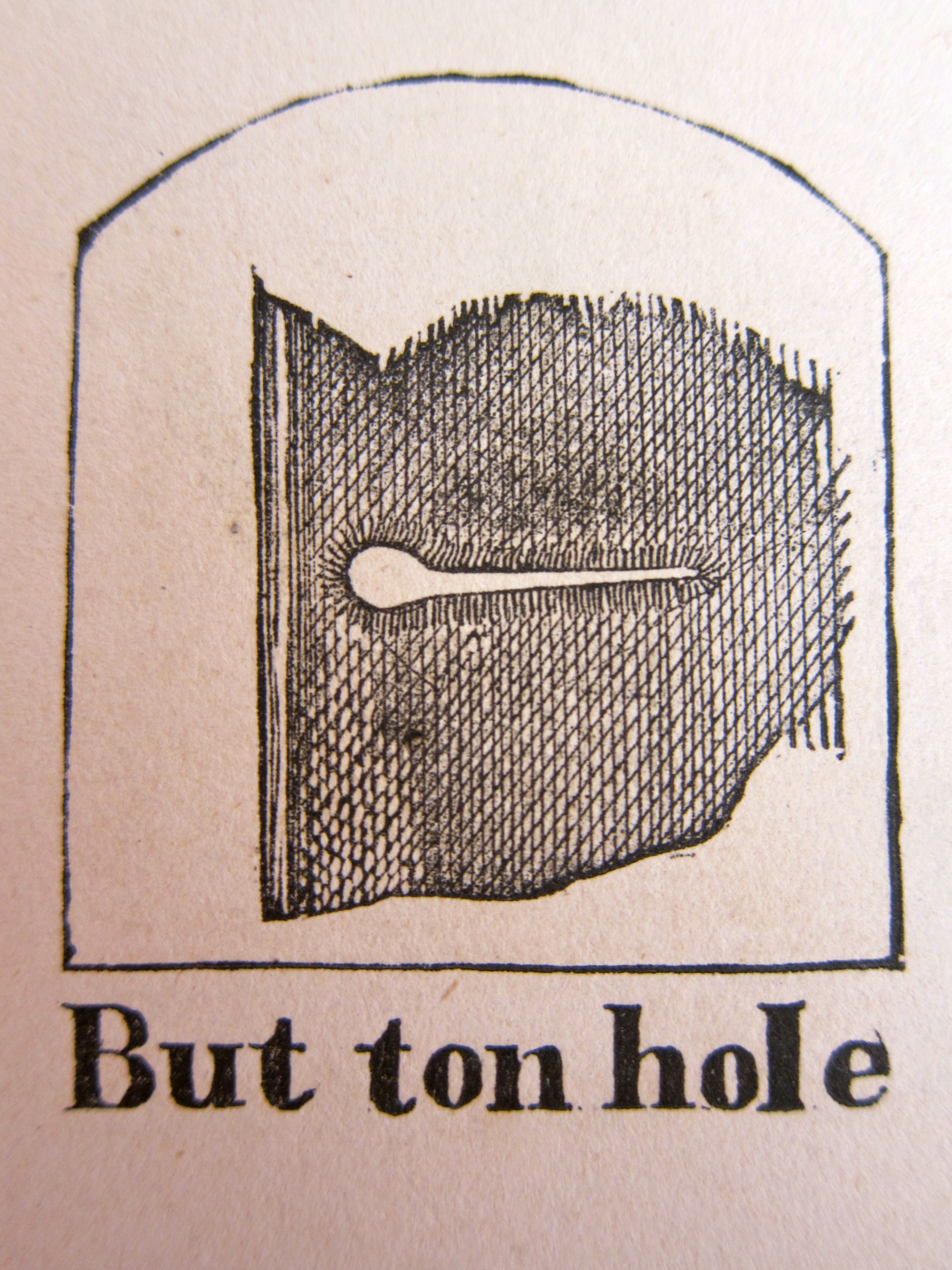
Baking, sweeping, scrubbing, painting, varnishing, and sewing were each on the domestic agenda today. Last year’s spring cleaning, which had been steady enough, seemed lackluster compared to the fierce pace of this year’s effort. Evelina didn’t necessarily complete each task personally – Jane McHanna, Mrs. Patterson, Mr. Scott and others helped – but she oversaw each piece of it. She was right in there. Today, it looks as if the only time she sat down was when she helped Augusta Pool Gilmore with her buttonholes.

Evelina excelled at making buttonholes and, at one time or another, helped other women, like Sarah Lothrop Ames next door, sew them. She must have taken pride in that particular skill, just as she must have had a real sense of accomplishment at all the tasks that were dealt with today. The to-do list got shorter.

As Evelina helped her young neighbor with needle and thread, the aroma from the baking would have competed with the fumes of the varnish.  Happily, it was fair and warm outside and hopefully, she opened the windows to let fresh air in.