January 26, 1852


IMG_0371

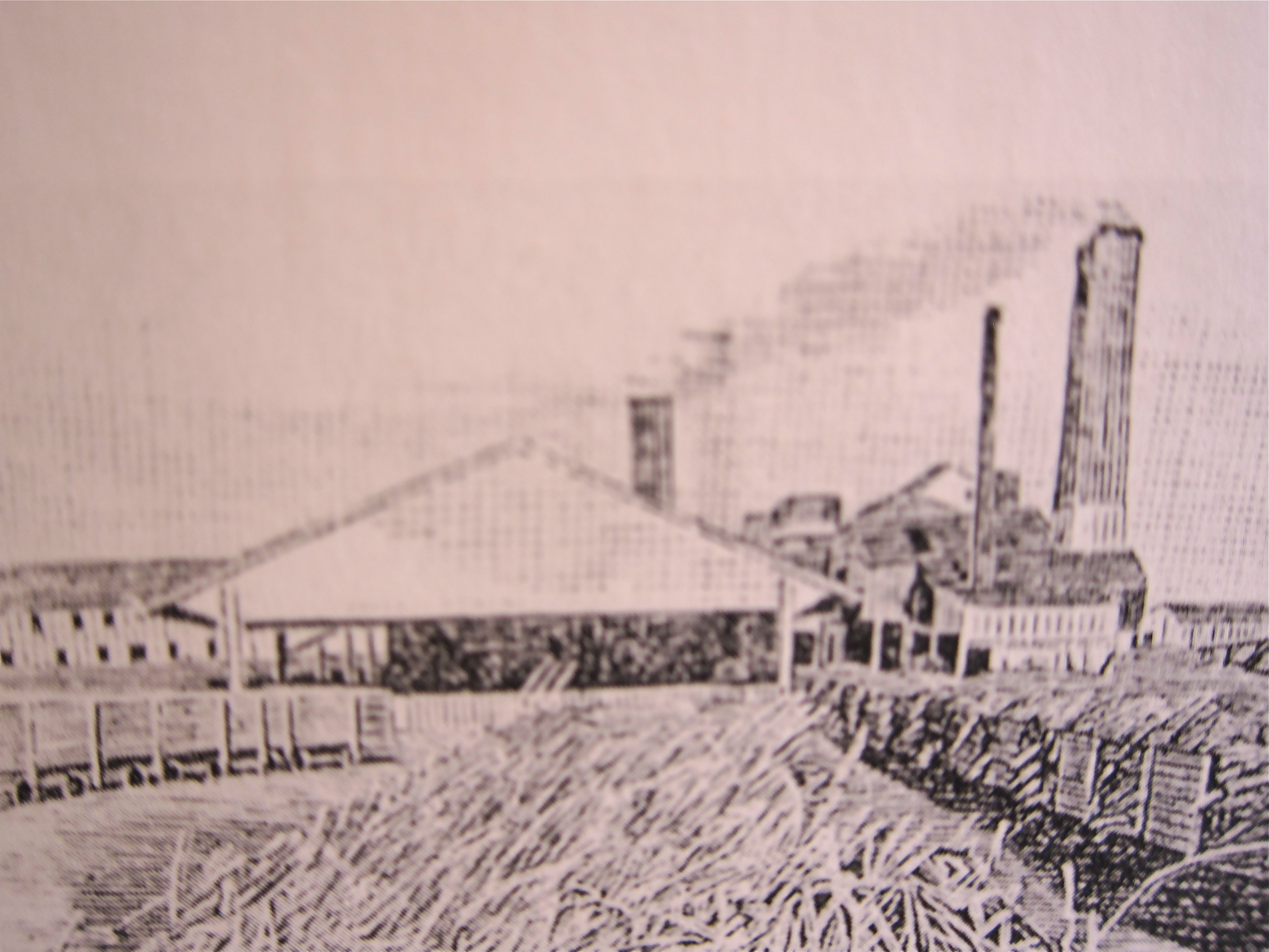
Ames Plantation, Jefferson Parish, Louisiana, ca. 1880’s

Jan 26/51 (sic)

Monday   commenced making Susan a flannel skirt

Mother & self went into Edwins with our work and staid

about 3 hours came home to tea.  Evening Augustus

Hannah and Mrs Witherell were here Oliver Jr

and Oakes A went to Mr Whitwells expecting to meet

Willard L there.  It has been a beautiful day.  Mrs Buck

and Sarah called at Edwins while we were there and

were very polite

It was Monday, which meant that Evelina probably did a little housework this morning before picking up her sewing. As usual, Jane McHanna managed the Monday washing and Evelina didn’t need to paint or fix or oversee anything but the flannel skirt she was making for her daughter. After midday dinner, she and her elderly mother, Hannah Lothrop Gilmore, walked to the home of Edwin Gilmore and sat with his bride, Augusta Pool Gilmore, each of them tending to their sewing. It seemed quiet on the home front.

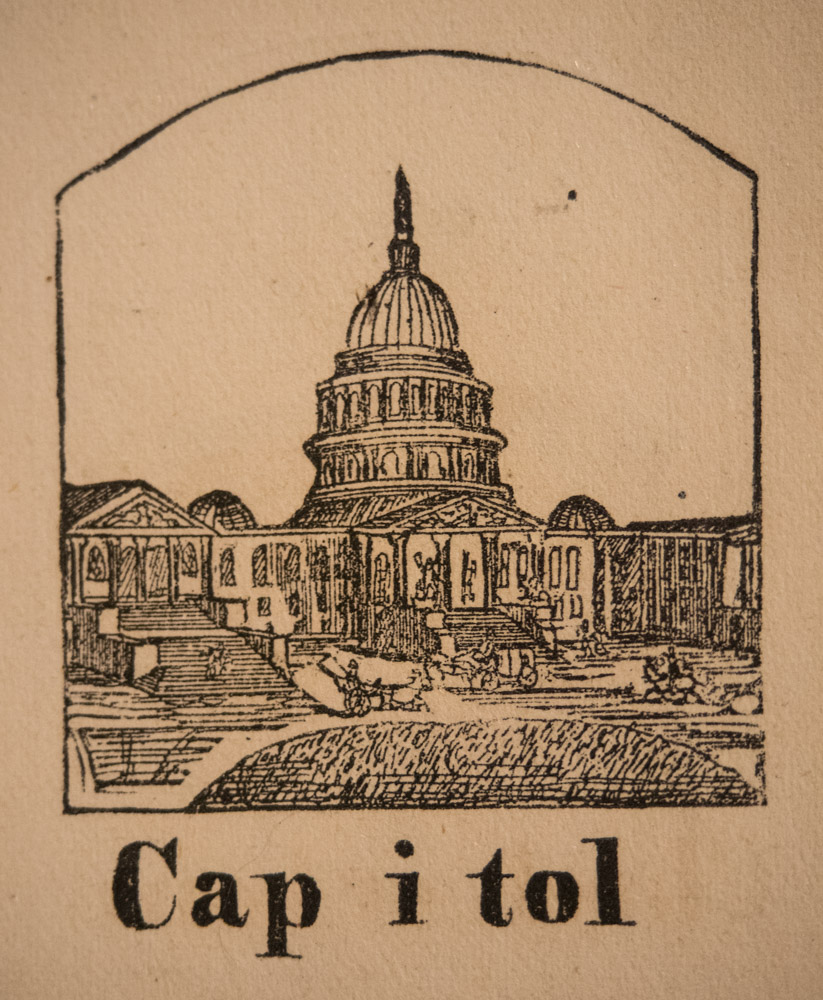
In another decade, it would be anything but quiet – at least across most of the country.  The United States would be in the first upheavals of an impending civil war. “The Great Rebellion,” they would call it. On this particular day in January, 1861, Louisiana would secede from the Union, the sixth of eleven states to do so. When the war ended in 1865, the Confederacy defeated, Louisiana and her sister states would ultimately be accepted back into the Union through the arduous and hotly political process known as Reconstruction.

In another two decades, the economies of the southern states would still be struggling, enabling many northerners to acquire cheap land and cast-off businesses. In 1873, the three Ames brothers – Oakes Angier, Oliver (3) and Frank Morton – would purchase two old plantations, Estelle and South Side in Jefferson Parish, Louisiana, right across the Mississippi from New Orleans. On 13,000 acres, they would grow and refine sugar. The business ran until the start of the 20th century, overseen eventually by one of Frank’s sons. The property, which”stretched for more than one mile on the river and ran about eight miles deep”* was eventually sold.  Today that land comprises much of the city of Marrero, Louisiana. Little is left of the Ames influence except an eponymous boulevard running through the city’s center.


* Betsy Swanson, Historic Jefferson Parish: From Shore to Shore, p. 97.
 

January 25, 1852

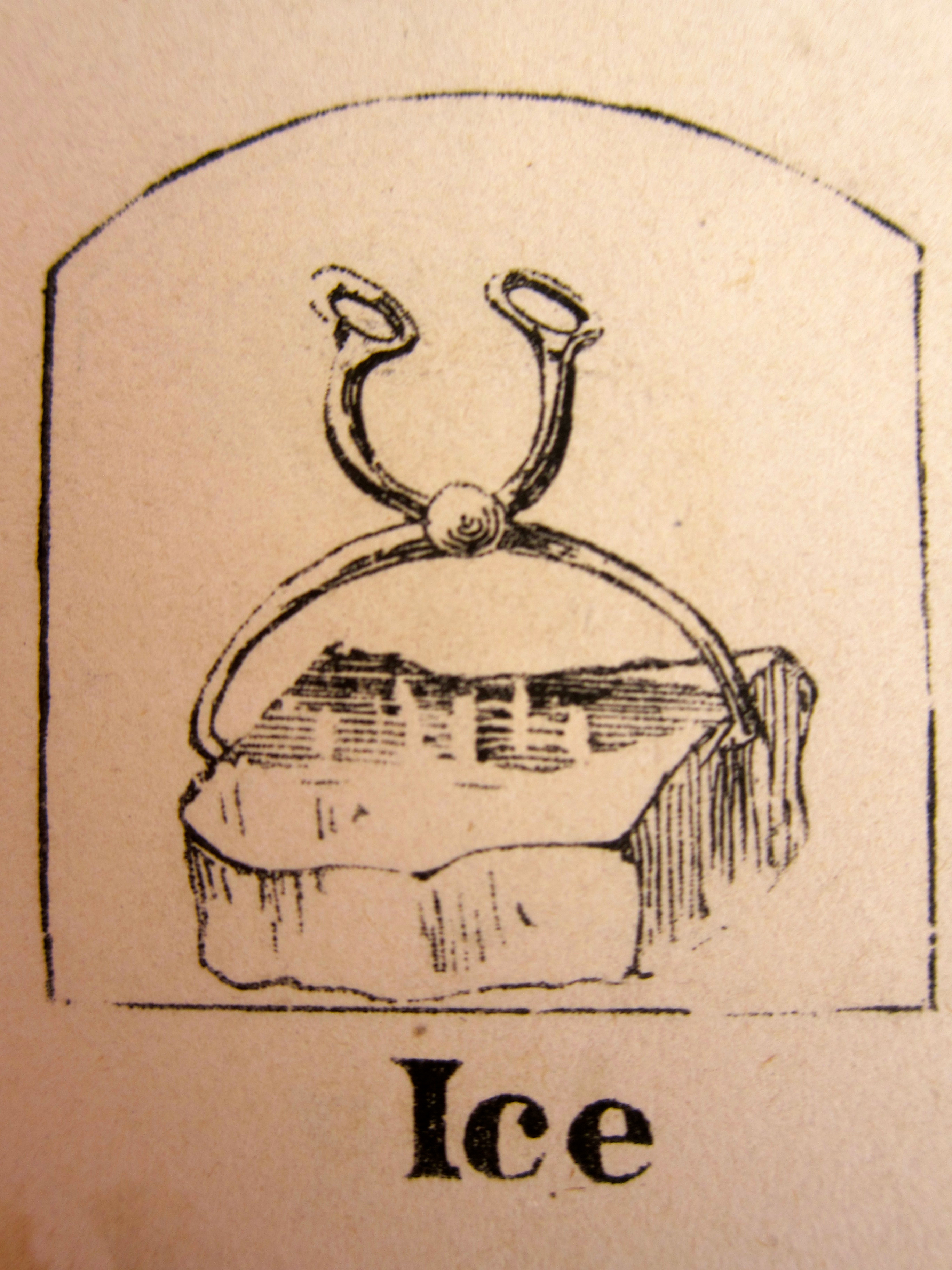
Ice

1852

Jan 25  Sunday  Have had a lovely day although it is somewhat

cold.  The first pleasant sabbath we have had for

a long while  We have all been to church except

Mrs Witherell who still stays at home on account

of her teeth being out. Mother came with us

from church to night. We have had fine sleighing

for a long time  Mr Whitwell gave us a fine 

sermon this afternoon

Old Oliver, too, appreciated today’s weather: “this is a fair pleasant day wind south west + thaws some   it is the first fair Sunday we had for a long time…” He also noted with satisfaction that “we began to fill our new ice hous yesterday,”* much of it with the ice that his grandsons Oliver (3) and Fred Ames had harvested on Friday.

The ice house was built right next to the pond** from which the ice was harvested. It was probably lined with sawdust for insulation; when the ice was removed, block by block, the sawdust absorbed some of the moisture and kept the building cool.  Even if the temperature outside rose, the temperature inside stayed relatively low. The ice was crucial to the storage and preservation of food in those days before refrigeration.

Today’s fair weather enticed everyone to church except Sarah Ames Witherell, who preferred to remain somewhat hidden while she recovered from recent dentistry.  The group drove the sleigh (or sleighs) to the meeting house, which was a couple of miles south of their family compound. Evelina sat in the family pew and enjoyed herself; she always liked hearing what Reverend Whitwell had to say.  She and her family brought her mother, Hannah Lothrop Gilmore, home for a visit.

*Oliver Ames, Journal, Stonehill College Archives, Arnold Tofias Collection

** Thanks to information from James Carlino, Dwight MacKerron and John Ames, we believe the ice pond in question may be Monte Pond, on the north side of Elm Street, just east of Rte. 138 in the northeastern corner of Easton. John also remembers an ice house next to French Pond on Union Street, also just east of Rte. 138, north of and parallel to Elm Street.  He bought some old ice tools there in the 1970s that he used in making sculpture.

January 24, 1852


IMG_2669


1852

Jan 24th  Saturday   Worked all the forenoon mending

Olivers overcoat & pants. Have finished my worsted

hood in Olivers this afternoon.  Julia Pool

Augusta & Edwin were there to tea. Mr Ames

has been to Boston & has brought home Oliver a

gold watch  Fred & Oliver have fine time and 

are wide awake  They sleep together.  Fred came 

in here tonight.

Evelina must have written this entry at night, perhaps in her bedroom where she could hear her son Oliver (3) and nephew Fred Ames conversing and laughing elsewhere in the house.  The first cousins, college men both, enjoyed one another’s company and were spending the night together. Up to now, they were the only family members in recent memory to go to university and must have had some stories to compare.

The fond regard that Oliver (3) and Fred held for one another would last throughout their lives, although it would be sorely tested on occasion. As grown men caught up in the high stakes of the railroad business, they found themselves holding opposing views more than once.  And after the sudden death of Oakes Ames and the attendant financial woes that followed, Oliver (3) defended his father’s legacy, while Fred supported his own father’s efforts to recoup funds that Oliver, Jr. believed were his.  In other words, Oliver (3) and Fred faced off over money. Yet they moved in similar circles, invested in similar capitalist ventures and, in 1893, when Fred himself died quite suddenly, Oliver (3) grieved, “completely broken down by [the] sad news.”*

Those difficult times lay ahead, but on this day, Oliver (3) had something to celebrate.  His father, Oakes, had given him a gold watch, perhaps in honor of his 21st birthday, which was right around the corner. Perhaps, too, Oakes was honoring his middle son for his successful studies at Brown University, studies that Oakes had initially resisted. The watch was certainly a sign that Oakes was proud.

*Oliver Ames Third, Diary, September 13, 1893, Collection of Stonehill College Archives


January 23, 1852


images-1

Currier & Ives, Winter in the Country: Getting the Ice1864

1852

Jan 23d Friday  Have had a hard days work.  Heat the

brick oven 4 times.  Baked mince & dried apple

pies brown bread cup cake & ginger snaps.

Had quite a fright about Oliver & Fred being

away at tea time was affraid they had got into the

pond where they had been cutting ice for the ice house

found them at Edwins.  Mrs S Ames went with me

about 8 Oclock into Edwins


There are few things scarier for a parent than having a child – whatever the age – not come home when expected. Evelina and her sister-in-law Sarah Lothrop Ames had “quite a fright” when their sons, Oliver (3) and Fred Ames, respectively, didn’t return home from a day spent outside, harvesting ice at a family pond. The pond was some distance from the family compound, out of earshot. At tea time, no one was able to report on their whereabouts. The boys might have fallen in.

The worried mothers went out after dark to search for their sons and found them practically next door. They were fine. Oliver and Fred had stopped to call on Oliver’s cousin, Edwin Gilmore, and were presumably unaware that their absence had alarmed anyone. How relieved Evelina and Sarah must have been.

For the young men, the day spent working outdoors in the cold sunshine must have been an invigorating change from their college studies, and for their grandfather, Old Oliver, their participation in the important annual harvest of ice must have been gratifying.

January 22, 1852

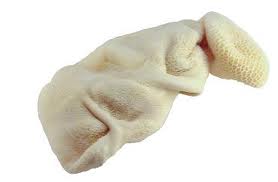
Tripe

Tripe

1852

Jan 22  Thursday  Have been cutting some apples & chopping

meat for mince pies, have it ready for baking

was about it all the forenoon, boiled tripe

This afternoon have been quilting the lining

for my hood. Julia Pool & Augusta spent the

afternoon. Augusta went home to get tea for Edwin &

in the evening they both came in and staid until

nearly ten Oclock. Mrs S Ames was here about an hour

Evelina was the recipient of the tripe from the two oxen that Old Oliver had butchered a few days earlier. Tripe is the stomach.

Lydia Maria Child offered advice on its preparation: “Tripe should be kept in cold water, or it will become too dry for cooking. The water in which it is kept should be changed more or less frequently, according to the warmth of the weather. Broiled like a steak, buttered, peppered, &c., some people like it prepared like souse.”*

Souse, also known as head-cheese, is a terrine made with meat from the head of a cow, calf or pig, often pickled, and set in a meat jelly or aspic. Mrs. Child was suggesting that the tripe be served in aspic, which Evelina might have done once she boiled it.  It’s not a dish one sees anymore on the American dinner table.

Out of the kitchen, Evelina welcomed visitors from the Pool family. The bride, Augusta Pool Gilmore, and her sister, Julia Pool, spent the afternoon at the Ames house and in the evening, the newlyweds themselves visited until ten o’clock.


Lydia Maria Child, The American Frugal Housewife, p. 38

January 21, 1852

OLYMPUS DIGITAL CAMERA

1852

Jan 21st  Wednesday.  Had quite a job to thaw out the boiler

in the bathing room which was left Saturday evening

for Mr Ames to take a bath which he chose not

to take & was forgotten.  A tin pail of water was frozen

so hard as to burst out the bottom, so much

for forgetfulness & carelessness.  Oliver came home

this evening and brought me a picture a present from my 

sons.  Mrs. Witherell & Ames spent part of the evening

Bathing in 19th century America was an improvement over the hygiene practices on the 18th century, but still less frequent than today. Where we might shower once a day, people like the Ameses might bathe once a week, often on a Saturday night in order to be clean for Sunday service.  Others bathed less, or differently. For some, sponging off was preferable to full immersion in a tub.

Oakes Ames had his Saturday night bath lined up to go, but decided against it and left the water behind to the mercy of the cold bathing room, where it froze.  Evelina had to clean up the consequent spill, tsk-tsking all the while about “forgetfulness & carelessness.” This small vignette does suggest just how cold the room was where they bathed. Regardless of the temperature of the water, stepping in or out of the tub was chilly. No wonder they didn’t bathe every day.

The day wasn’t all bad, however. Evelina’s sons, led by middle child Oliver (3), gave her a gift, a picture.  What was the occasion? Not her birthday, not Christmas. Perhaps just a spur-of-the-moment thank you for being their mother. The gesture seems sweet, thoughtful and generous.

January 20, 1852

OLYMPUS DIGITAL CAMERA

Jan 20th Tuesday  Have made Susan two pr of fur cuffs

one pair for school and one for best.  Hannah called

for me to go with her to call upon Augusta, went

with her found Julia Pool there stoped but a few

moments. This evening Mrs Witherell Emily & Mrs

S Ames brought in their work and passed the evening

They say I never give them the credit of coming here

at all. I certainly will this time

In what Evelina considered to be a rare occurrence, her two sisters-in-law, Sarah Witherell and Sarah Ames, “passed the evening” at Evelina’s. The women brought their work boxes or baskets and sewed together, young Emily and perhaps young Susie with them. Usually, Evelina went over to one of their sitting rooms.

On this same date in 1865, when Evelina’s life had changed, and she and Oakes were in Washington, D.C. while Oakes served as U.S. Congressman from Massachusetts, Oakes was called to the White House.  Winthrop Ames, who once possessed the diary in which Evelina recorded her days in Washington, tells us that Evelina wrote “today Mr. Lincoln sent for Oakes to come to the White House.  He went immediately after dinner and talked with the President until after midnight.’ ”

Winthrop went on to add, in his own words:

“Ames reported that the President said to him then, and in later conferences, ‘Ames, you take hold of this. If the subsidies provided are not enough to build the road ask double and you shall have it. Take hold of it yourself.’ And he added,’by building the Union Pacific, you will become the remembered man of your generation,’ The President said further that if the railroad could be so far completed that he might take a trip over it when he retired from the Presidency it might be the most memorable occasion in his life. Alas! his next railroad trip was to be in the funeral car that bore him to his grave in Springfield, Illinois.”*

*Winthrop Ames, The Ames Family of Easton, Massachusetts, 1937, p.


January 19, 1852

d44daf6476649bfb638e3038c8f2221c

Fashion illustration from Godey’s Lady’s Book, 1850


1852

Jan 19th Monday  Susan washed the dishes and after doing

my usual mornings work commenced sewing some pieces

of fur that was taken off my cloak for Susan a muff

to carry to school.  Finished it before dark and in

the evening made over her best muff and it looks

as well if not better than when new. feel very well

satisfied with my days work  Very cold.


The snow continued today. According to Old Oliver Ames, “it snowd all last night + more than half the day to day and it was a verry cold storm – it did not snow fast any part of the time and all that has come now will not measure more than 6 inches on a level. it drifted considerable and is dry + light.”*

Susan Ames probably would appreciate the muff that her mother was making for her to keep her hands warm.  She already had one for “best” to wear to church, but this one would be for everyday. Made from recycled pieces of fur off her mother’s cloak, Susie would be making quite a fashion statement for a nine-year-old school child, most of whose classmates would likely have worn mittens.  Even Meg and Jo March had to walk to their jobs without muffs, holding instead warm popovers fresh from the oven to keep their fingers from numbing up.

At day’s end, Evelina was “very well satisfied” with the muffs she had reworked.  The household today appears to have been running well which would have amplified Evelina’s happy mood. Jane McHanna must have worked some magic to get the laundry done despite the snow storm.

*Oliver Ames, Journal, Stonehill College Archives, Arnold Tofias Collection

January 18, 1852

$T2eC16JHJHQE9nzEyP!zBRVGZ!!IT!~~60_35

/52

Jan 18 Sunday  Has snowed quite hard all day.  The

gentlemen all went to meeting & Mrs S Ames & Emily,

Mrs Witherell staid at home because she looks so bad

& Susan & self on account of a cold & cough  Have

read The Vale of Cedars by Grace Aguilar & have

written a letter to Pauline Dean.  Made a long

call in the other part of the house this evening.  Mrs

S Ames there with me

Feeling under par, Evelina and her daughter stayed home from church today while the men of the house pushed through the “fine cold dry snow”** to get to meeting. Sarah Witherell stayed home, too, still recovering from having had her teeth pulled.  It was a luxurious opportunity for Evelina – and Susie and Sarah, perhaps – to sit and read in relative quiet.

Evelina’s choice (which she probably read in serialized form in a periodical, as the tale wasn’t published in book form until 1853) was The Vale of Cedars or The Martyr’s Tale by Grace Aguilar. It was a tale of a Jewish father and daughter trying to hide from the Spanish Inquisition in 1479. The “Vale of Cedars” was their hideout. Eventually discovered and imprisoned, the daughter resisted the church’s demand that she convert to Catholicism.  Thus, the “Martyr’s Tale.”  The dramatic plot with its medieval overtones, exotic location, and anti-catholicism probably captivated Evelina, just as the author meant it to. Aguilar included these words from Byron’s [Oh! Weep for Me] in her introduction to the book:

“The wild dove hath her nest – the fox her cave –

Mankind their country – Israel but the grave.”

George Gordon, Lord Byron

**Oliver Ames, Journal, Stonehill College Archive, Arnold Tofias Collection

January 17, 1852

IMG_2480

John Ames Mitchell

1852

Jan 17 Saturday  Finished Susans morino hood and mended

stockings & some other things  Finished Susans Delaine

dress that Julia Mahoney cut Dec 23  Mr Ames brought

Sarah W some fitch cuffs from Boston  Frederick

came home to night  Ruth Swan that was and

her husband came home to night  Heard of Mrs

Colin Harlowes death

Some months back Evelina’s sister-in-law, Harriett Ames Mitchell, had departed Easton with her three children to join her husband, Asa, in Erie, Pennsylvania  One of those children was John Ames Mitchell, who turned seven years old on this date.

John Ames Mitchell would lead an irregular childhood, moving around western Pennsylvania but eventually landing back in Massachusetts, in Bridgewater. His father, a coal trader who had worked for the Ames family, would succumb to mental illness or dementia and spend out his days in the Taunton Hospital for the Insane, his residence there supported by his brother-in-law, Oliver Ames Jr..  John’s mother, Harriett, and older brother, Frank Ames Mitchell, a Civil War veteran, would also live lives greatly indebted to the financial support of family; John, too, looked to his uncle for support on occasion.

John attended Harvard, but didn’t graduate, and studied abroad. Endowed with artistic and literary talent, he became an architect.  Under the guiding patronage of his Uncle Oliver Jr., John designed the Unitarian Church on Main Street in Easton in 1875, and worked on other projects in the Boston area before returning to Europe again, this time to study at the Beaux Arts. When he finally returned to the States, he used his ample talent to write novels, draw illustrations and, most lasting of all, create Life magazine.

With a racehorse owner named Andrew Miller, John started publishing Life in 1883. John and his staff, which included the Harvard grad and founder of Harvard Lampoon, Edward Sandford Martin,  saw Life as a publication that would “have something to say about religion, about politics, fashion, society, literature, the state, the stock exchange, and the police station.” He vowed “to speak out what is in our mind as fairly, as truthfully, and as decently as we know how.”* He also worked to bring wonderful illustrators on board, most famously Charles Dana Gibson, whose Gibson Girl would come to life in Life.

John also was a co-founder with Horace Greeley of the Fresh Air Fund.  He married but never had children of his own. His 75% ownership of Life lasted until his death in 1917.