October 11, 1851


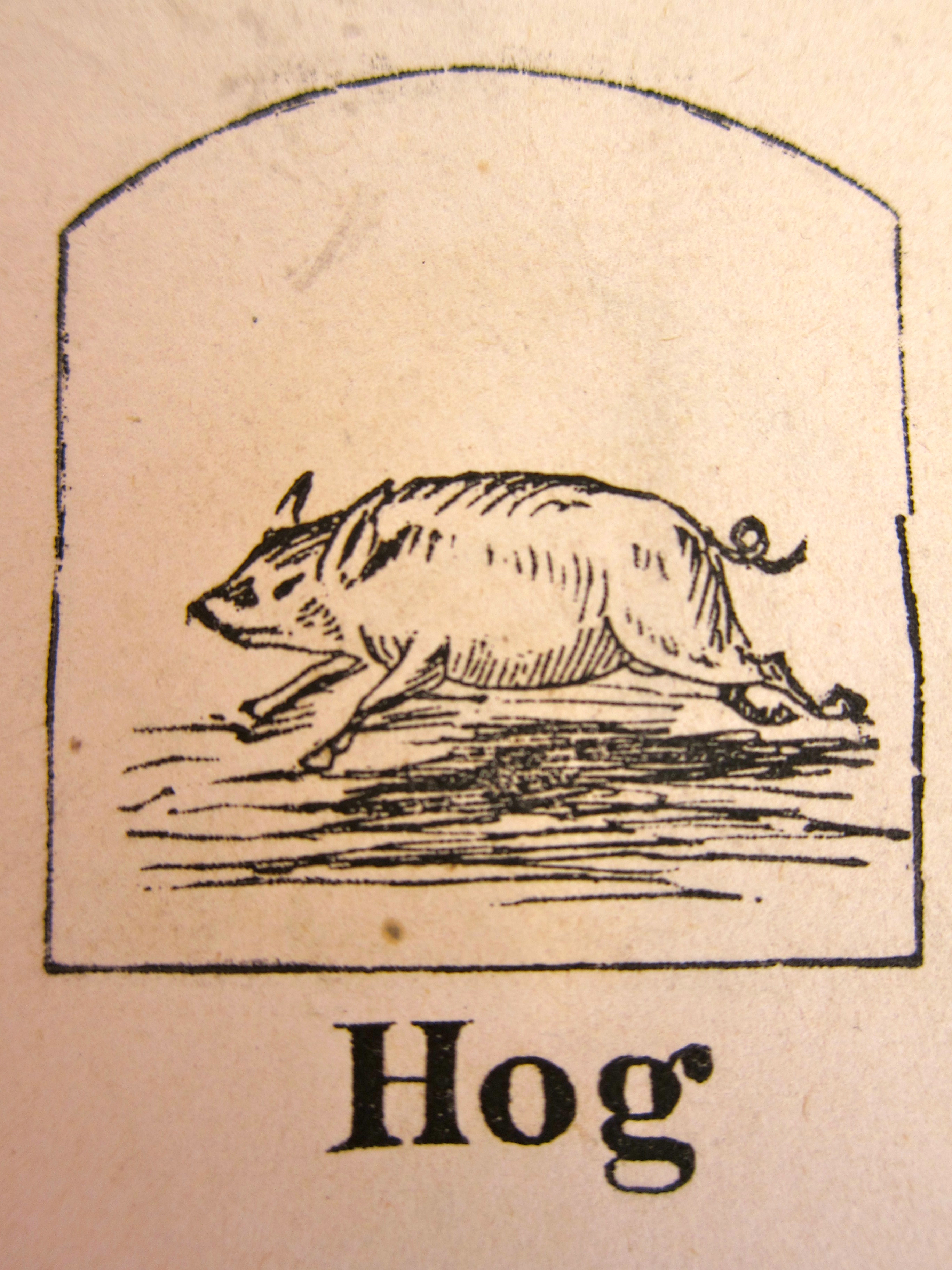
Hog

Sat Oct 11th  Baked in the brick oven  brown bread cake & seed

cakes Squash & apple pies  Miss S. Orr, Mrs Witherell

and her children here to tea  Helen came home last

night and Julia is at Olivers making her silk dress.

Mrs Elizabeth Lothrop is there assisting them.  I have

mended Mr Ames a vest and made the skirt

to Susans striped Delaine dress


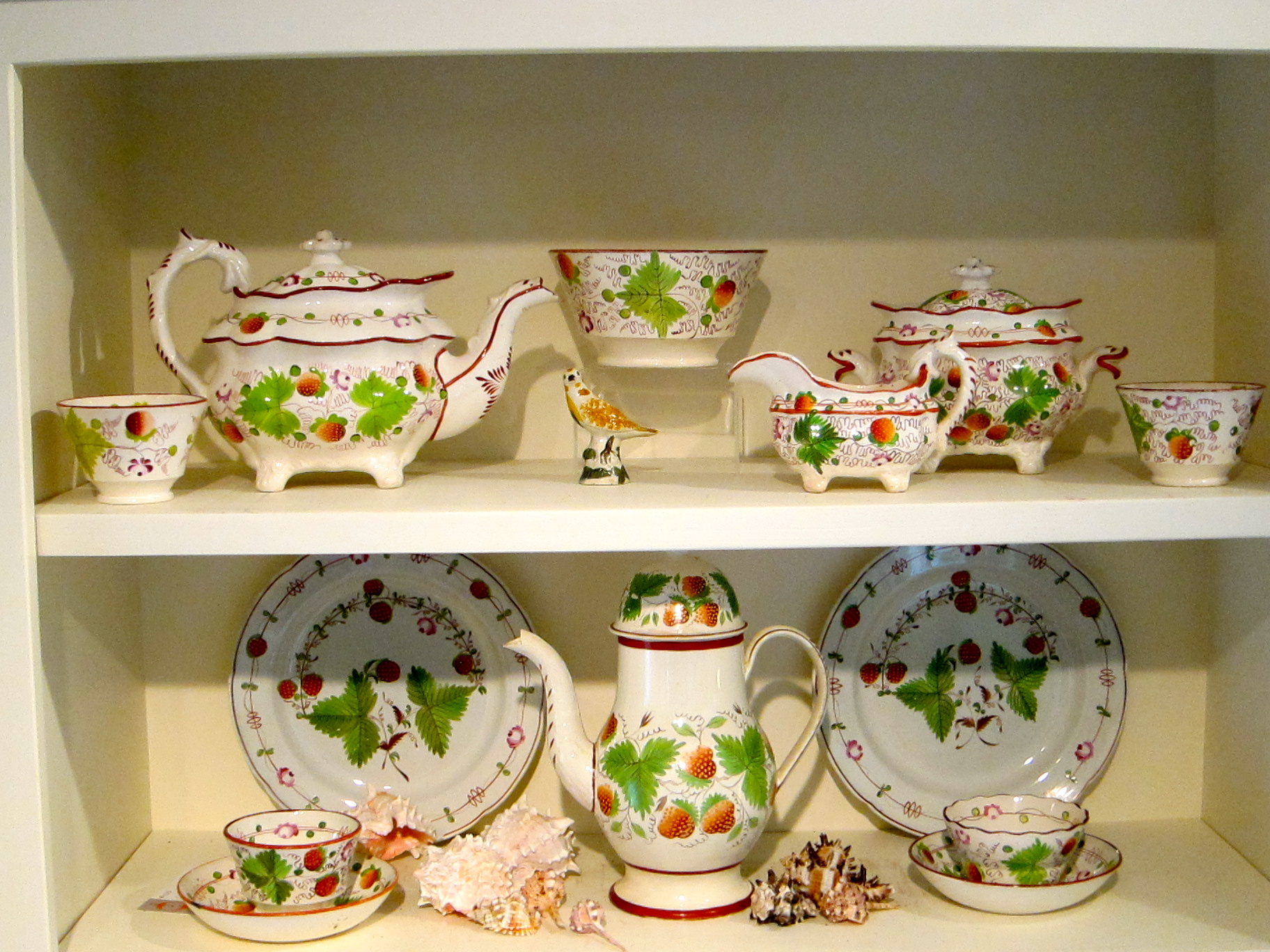
Today many baked goods came out of the brick oven that Sarah Witherell and Evelina shared. It was getting to be pie season, so Evelina made squash and apple pies, along with more usual fare like brown bread and cake. Special on the menu was seed cake, something that Evelina hasn’t mentioned baking before.  She probably used caraway seeds from some roots she “set out” last April.

Next door Helen Angier Ames, briefly home from boarding school, met with the family’s favorite dressmaker, Julia Mahoney. Only fourteen, Helen was having a silk dress made; perhaps it was a party dress she might use in Boston. Helping Helen and her mother, Sarah Lothrop Ames, was Sarah’s young sister-in-law, Elizabeth Howard Lothrop. Only 22-years-old, Elizabeth was the mother of two very young sons and the recent widow of Sarah’s brother Clinton.

Old Oliver had to be pleased with life at this particular time. Only the day before, “Mr Phillips finisht his work at the great pond,” meaning that the new flume at Great Pond was in place. This was a good achievement for the shovel business which relied on water power to run the factory. Old Oliver was still active in the business he had started and passed on to his sons, yet never took his eye off of the family farm, either. Today he “bought 12 pigs that weighd 1330 pound at 6 ½ cents a lb average weight 112 pounds – cost $86:45.” He would raise those pigs, eventually selling some and slaughtering others to feed his large family. The factory and the farm continued to engage Old Oliver as he grew old.


September 16, 1851

Cake


Tuesday Sept 16th  Mrs Witherell Emily & Cousin H Mitchell

went into Boston this morning and are going to stop the

remainder of the week  I made some cake

this morning & had to be away from Miss Eddy

more than I could wish  Mrs S Ames & Helen &

Oliver here to tea  Harriet came in but did not stop

long  Miss Eddy will stop the night here

A visit from Miss Eddy, a woman who has been staying with various friends – or relatives – in Easton, may have been the impetus for Evelina to bake a cake this morning to serve at tea.  It’s worth noting that despite having collected peaches and grapes during the last few days, Evelina didn’t make a fruit pie or tarts to serve. She was saving that fruit to put up for the winter, and wouldn’t have wanted to waste any of it on a tiny social occasion. Cake it was.

The Ames family from next door, Oliver Jr., Sarah Lothrop Ames, and their daughter Helen came for tea, ate some cake and presumably chatted with Miss Eddy.  Sister-in-law Harriett Ames Mitchell stopped by briefly, too. Not making an appearance in the front parlour, however, was Sarah Witherell and her daughter from the other part of the house. They had departed that morning for a planned week in Boston, traveling with a Mitchell cousin.

Sarah Witherell had headed to Boston in anticipation of a special event, The Great Railroad and Steamship Jubilee. The Jubilee was to be a “celebration commemorative of the opening of railroad communication” to Canada.”*  It recognized the creation of a railroad line from Boston to Burlington, Vermont that connected with a steamship to Canada via Lake Champlain. Travel in the United States had become international. The celebration would go on for three days, and many members of the Ames family would strive to attend some part of it.


*The Railroad Jubilee: an account of the celebration commemorative of the opening of railroad communication between Boston and Canada, Sept. 17th, 18th and 19th, 1851.


September 5, 1851

Pentax Digital Camera

*

Friday Sept 5th  Expected to be alone to day and was in

hopes to do some sewing but about ten Oclock

concluded to invite Mrs Latham (who came yesterday

to Father Ames,) to tea and all from the other part

of the house.  Jane made a great fuss about getting

tea having some short biscuit to make and I

got very nervous.  Mrs S Ames staid awhile but

went home to tea


The house on Main Street was relatively empty today.  Son Oliver had left for college and friends Pauline Dean and Orinthia Foss had departed as well.  Her husband Oakes and other sons, Oakes Angier and Frank Morton, were at work and little Susie was at school.  How quiet the house must have seemed, even with the sounds from the factory ringing from across the road. Evelina sat down in solitude to sew and found she wanted something more.

A little tea party was what was needed, she “concluded,” although her servant, Jane McHanna, evidently disagreed.  Jane probably had her own agenda of tidying up after yesterday’s whirlwind of departures and so “made a great fuss” about the extra work. Jane’s irritation ran counter to Evelina’s hopes, and some kind of verbal tussle must have ensued. No wonder that Sarah Lothrop Ames, who had come over from next door, didn’t stay around.

The party must have happened, however, else Evelina would have written otherwise. Jane prepared the meal. Late in the afternoon, family from the other part of the house and their guest, Mrs. Latham, were treated to tea and “short biscuit” and, perhaps, other refreshments.

Short bread or short biscuit or short cake – all names for the same, crumbly finger food – was a typical offering at tea parties, and simple enough to make that many cooks wouldn’t even need a recipe, or “receipt.” Using some of the butter that Evelina had bought just one week earlier, Jane McHanna would have followed a process similar to that described by Lydia Maria Child in her book The American Frugal Housewife:

“When people have to buy butter and lard, short cakes are not economical food. A half pint of flour will make a cake large enough to cover a common plate.  Rub in thoroughly a bit of shortening as big as a hen’s egg; put in a tea-spoonful of dissolved pearlash; wet it with cold water; knead it stiff enough to roll well, to bake on a plate, or in a spider.  It should bake as quick as it can, and not burn.  The first side should stand longer to the fire than the last.”


*http://britishfoodhistory.wordpress.com/2012/06/10/shortbread/


August 23, 1851

Mayflower

The Mayflower

Sat 23d Aug  The two Mr Lothrops went to the shop after

breakfast and I baked Cake & ginger snaps in

Mrs Witherells oven  This afternoon I went with

them to Mothers to tea, called at Mr Seba Howard

and took Orinthia with us and brought her here

at night  The Miss Tolmans are still at the 

Howards  Evening Mrs Mitchell came in.  Pauline

passed the afternoon in the other part of the house

Even in the hot weather, baking had to be done.  After breakfast, Evelina saw cousins Warren and Jerry Lothrop head off with the men to the shovel shop.  Pauline Dean, another guest, didn’t accompany them, but neither did she hang around the kitchen with her hostess. She spent part of the day, at least, in the other part of the house. By herself, Evelina baked cake and ginger snaps.

In the afternoon, once again laden with company, Evelina went down to the Gilmore farm with the young Lothrop men to visit Evelina’s elderly mother. Hannah Lothrop Gilmore was probably pleased to get a visit from these two male relatives. How closely related Mrs. Gilmore was to Warren and Jerry is uncertain; the Lothrop clan was extensive, and had been settled in Plymouth and Bristol Counties (and on into Maine) for generations.

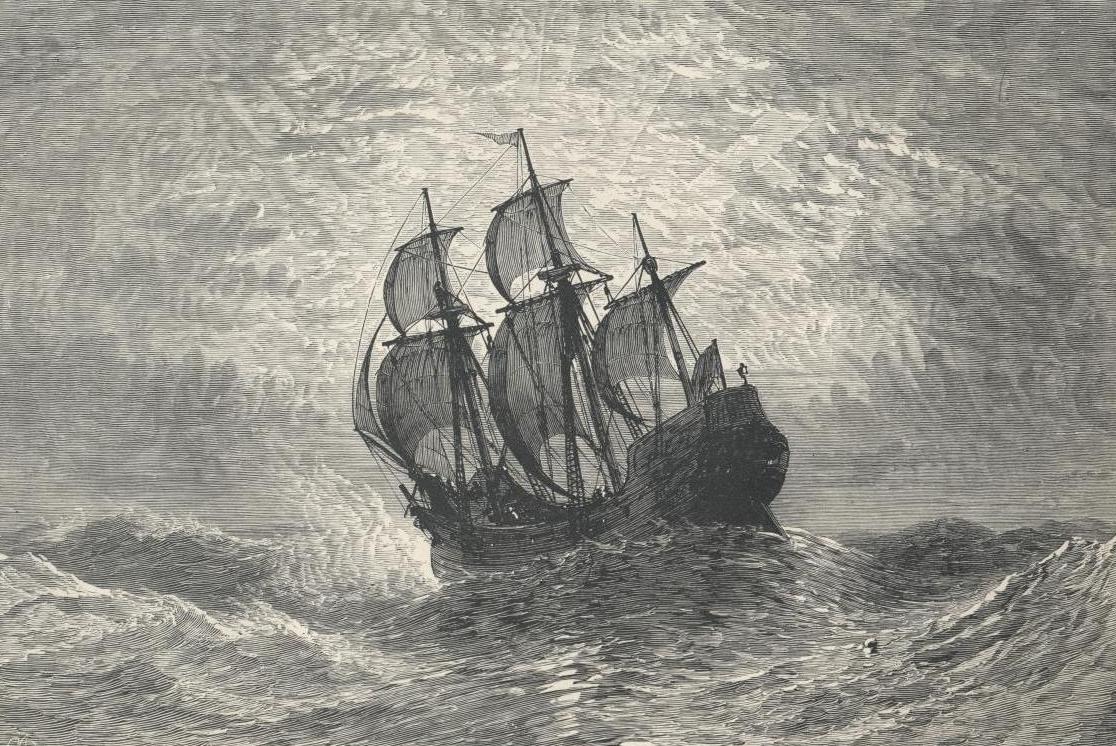
What is certain is that if “cousin” Jerry and Warren were related to Evelina through the Lothrop line, they were also probably related to Sarah Lothrop Ames, as the two women themselves were second cousins. Evelina’s grandmother, Hannah (Howard) Lothrop, and Sarah’s grandmother, Betty (Howard) Lothrop, were sisters.*  They were descended from John Alden and Priscilla Mullins of Mayflower fame.

On the way home, Evelina picked up her young friend, Orinthia Foss, who ended up spending the night.  Where did everyone fit? How did everyone sleep?

* Winthrop Ames, The Ames Family of Easton, 1937, pp. 230-231


July 10, 1851

IMG_1031

July 10th  Baked in the brick oven this morning

Cassander Gilmore engaged to come here to

day but did not  Mrs Horatio Ames Mrs Witherell

Mitchell and their children father Gustavus &c &c

were here to tea.  Had strawberries from 

Mr King, his last picking.  This afternoon

finished my dress  Alson called

Evelina was quite busy today.  She baked, probably making the usual bread, ginger snaps and a pantry’s worth of pies. Although she doesn’t specify what kind, this was the time of year for rhubarb and her pies may have been made of the very fruit she grew in her back yard. She culled through the last of the available local strawberries, too; there would be no more this season.

Much of this kitchen work was preparation for afternoon tea, which was served to a raft of Ames relatives.  Sally Hewes Ames, Horatio’s wife, was there with her son, Gustavus, along with the Witherells and Father Ames from the other part of the house.  Sister-in-law Harriett Ames Mitchell and her three children were there.  Where was Harriett’s husband, Asa Mitchell? Presumably Oakes, Susie and her three older brothers were at table, too.

When she did get out of the cook room, Evelina finally finished sewing her new dress, and had a visit from her brother, Alson Gilmore.

June 14, 1851

Evelina Gilmore Ames

Evelina Gilmore Ames

June 14 Saturday

This is my birth day and it is very pleasant

weather.  Worked in the garden awhile in the

morning then baked in the brick oven.  Made

brown bread sponge & cup cake pies &c.

This afternoon have been to North Bridgewater

and paid Howard & Clark 16 dollars for bed

stead & lounge 50 cts for Castors.  Emily gave

me a box & Harriett a pr of Elastics


The diarist herself celebrated a birthday today, number 42.  She was born in 1809 on a farm in the southeastern quadrant of Easton, not far from the Raynham town line.  She was the seventh of eight children. Her parents, Joshua and Hannah Lothrop Gilmore, named her Evelina Orville after the heroine of Fanny Burney’s popular novel, Evelina, or the History of a Young Lady’s Entrance Into the World. In the book, pretty, fictional Evelina, after various comic travails, wins the heart of handsome, rich Lord Orville; did the real Evelina’s parents hope for similar material success for their youngest daughter?

In birth order, Evelina’s brothers and sisters were John, Arza, Daniel, Alson, Hannah, Rhoda, and Joshua Jr.  By the time Evelina reached 40, only John and Alson, and their mother, were still living. Evelina’s siblings carried mostly family names, meaning that Evelina’s name was a departure. Her grandson, Winthrop Ames, noted in 1937 that “Evelina, in its later form of Evelyn, has been a favorite female first name since Evelina Orville Ames first introduced it into the family when she married Oakes Ames in 1827.”*

As a eighteen-year old bride, Evelina moved to North Easton, right into the Ames homestead, a portion of which had been made over to accommodate the newlyweds. Still living at home at that point were most of her siblings-in-law: Oliver Jr., William Leonard, Sarah Angier Ames (aged 13 and, obviously, not yet married to Nathaniel Witherell), John Ames and Harriett Ames (who was only eight years old.) What a full dinner table they must have had!

The next quarter century flew by, as the years do, full of arrivals and departures.  Her children came into the world, even as family members on both sides departed it.  Only now, it seems, did Evelina lift her head from the home-making tasks that were always at her elbow to consider ways to fill the rare discretionary time that began to open up to her.  Flower gardening became one pleasant elective; writing in a diary was possibly another.


*Winthrop Ames, The Ames Family, 1937

June 4, 1851

Thread

1851

June 4th Wednesday  This morning Mr Lothrop

brought me a calf head and as Jane was Ironing it has

taken me some time to prepare it  Went in to Olivers

to assist Sarah about making her cake for the sewing

Circle.  It met there this afternoon and they had a

goodly number  I have cut two shirts

for Mr Ames and put them into the sewing circle to

make  We have had a pleasant meeting

Even as cows all around town and country were giving birth, some of their calves were slated for slaughter.  In sheer numerical, if unfortunate, terms, not all calves had a place on a farm. Females, once grown, could breed and produce milk, but the males had less of a role, unless they had the lines and build to become fine steers or oxen.  Male calves in particular had good market value as veal and thus were often culled. The arrival of a calf’s head for the dinner table signaled that some culling was going on.  Mr. Lothrop may have been DeWitt “Clinton” Lothrop, a farming brother of Sarah Lothrop Ames and manager of the Lothrop property.

The cook rooms at both houses on Main Street were bustling today. Not only was Evelina preparing the calf’s head, but Jane McHanna was ironing near the stove, keeping her irons hot and using the kitchen table as the ironing surface. In Sarah Lothrop Ames’s kitchen, there was much preparation for the afternoon meeting of the Sewing Circle. Evelina went next door to help Sarah with a cake.

No memory of her own failed meeting back in February seemed to cloud Evelina’s enjoyment of today’s Sewing Circle, even when her sister-in-law’s parlor welcomed “a goodly number.” She was able to put a couple of shirts into the pile of work and had a pleasant time.


May 31, 1851

IMG_0004

*

1851

May 31st Saturday  This morning baked in Mrs Witherells oven

brown bread & cake  Mrs S Ames went to Boston

Returned to night with Harriet & a Miss Eaton

from Pittsburgh.  Miss Linscot Orinthia & I […]

have been walking & riding about all day.  have

been to all the shops, ponds, Mr Manley & Claps

flower gardens, & called at Mr Torreys

It has been a beautiful day, rather cold.  A A not here

gone to Boston

Evelina used her sister-in-law’s brick oven early this morning and afterwards ventured outside to enjoy the “beautiful day” with her young house guests. She gave them the standard tour of much that North Easton offered: shovel shops, large ponds, full streams, two farms with extensive flower gardens, and a stop at Col. John Torrey’s, in the village. The latter was probably a sociable occasion that included tea with Abby Torrey.

Sarah Lothrop Ames, meanwhile, went into Boston for the day and returned with Harriett Ames Mitchell and a friend from Pittsburgh, where Harriett had lately been living. There was still no sign of Harriett’s husband, Asa Mitchell, who was, presumably, yet in Pennsylvania on business. Oakes Ames would have been in Boston today, too, perhaps with Augustus Gilmore.

The Ames boys wouldn’t have been pleasuring about – they were at the shovel shops, working.

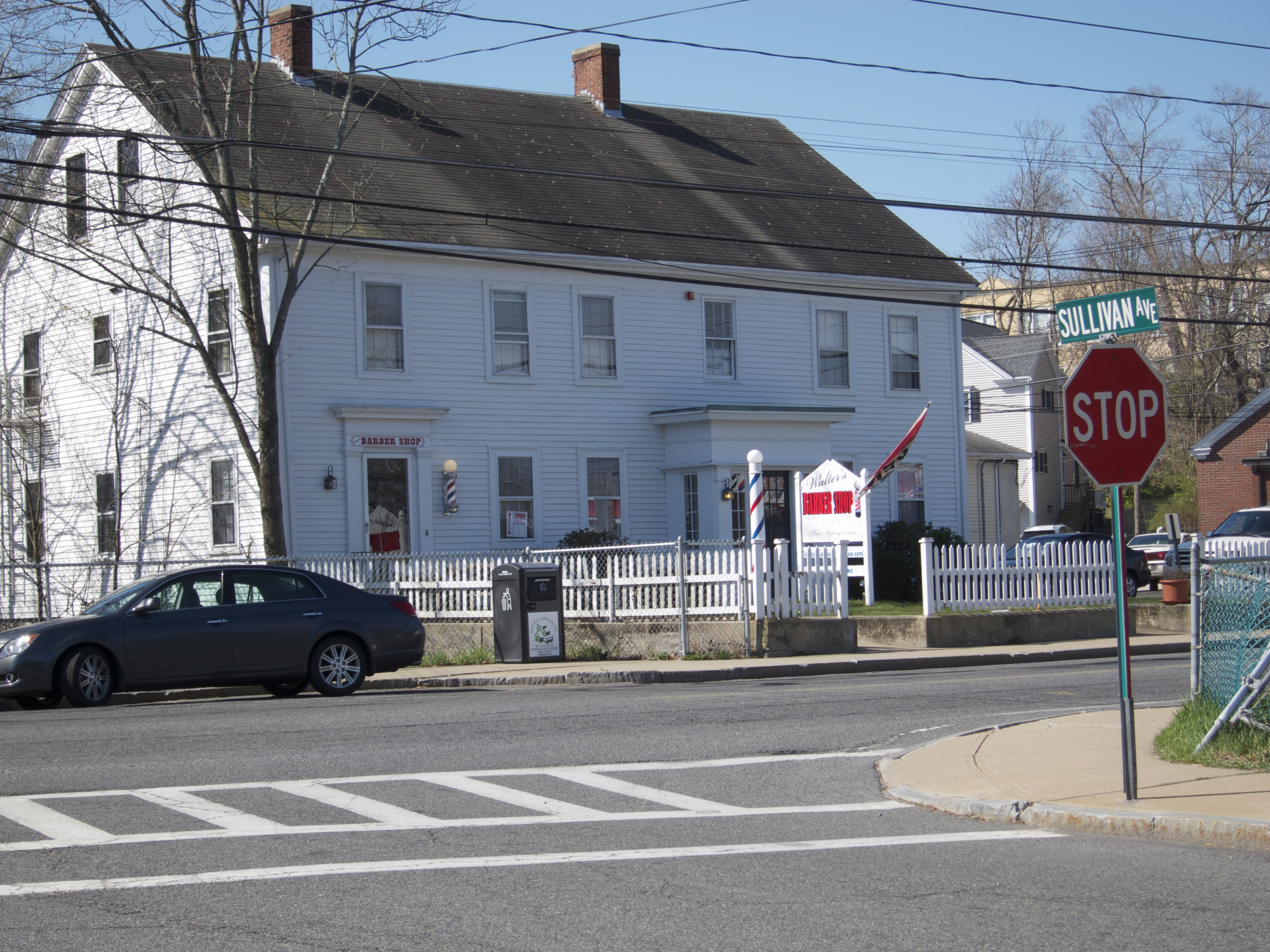
* Building in modern-day North Easton that once belonged to Col. John Torrey


May 13, 1851

dried-apples

*

Tues May 13  Mrs Witherell heat her oven and I baked

a loaf of brown bread & some cake & tarts with

her  Orinthia made some sifted dried apple pies

Mr Robinson here to paper the dark bedroom

chamber. Mr Pratt called this morning for Orinthia

to go to meet him & Brown for an examination

We went to Mr Pratts this afternoon and

called at Mr Whitwells


Mr. Robinson, all-purpose painter-and-paperer, was back at Evelina and Oakes’s house today to paper one of the bedrooms. It may be the one that Frank Morton Ames had to move out of some days ago while it was being refurbished.

Orinthia Foss, meanwhile, underwent some kind of scholastic examination.  Evidently, she was being considered to teach at the town’s public school system for which she had to undergo at least an interview.  Her interviewer was Amos Pratt, a former school teacher himself, and member of the Easton school superintending committee (the one on which Oakes Angier had hoped to serve, but had missed by one vote.)  Her other interviewer was Erastus Brown, a butcher by trade who also served on the school committee and taught. Not unlike today, some folks from 160 years ago had to pursue more than one trade to make ends meet. Pratt, who lived in the Furnace Village area of Easton, some miles south and west of North Easton, eventually gave up his teaching career to run a mill.

Before being escorted by Mr. Pratt to her interview, Orinthia helped Evelina and Sarah Witherell with baking.  Evelina made brown bread, cake and tarts; Orinthia made an unseasonal apple pie from dried apples. The apples were remnants of last fall’s harvest, and ordinarily Orinthia would have had to plump them up with hot water or cider or some other liquid in order to form the pie.  How the apples would have been “sifted” is a puzzle; did this mean that the apples were in powder form?  All you cooks out there: what is a sifted dried apple pie?

*jeremy.zawodny.com


May 5, 1851

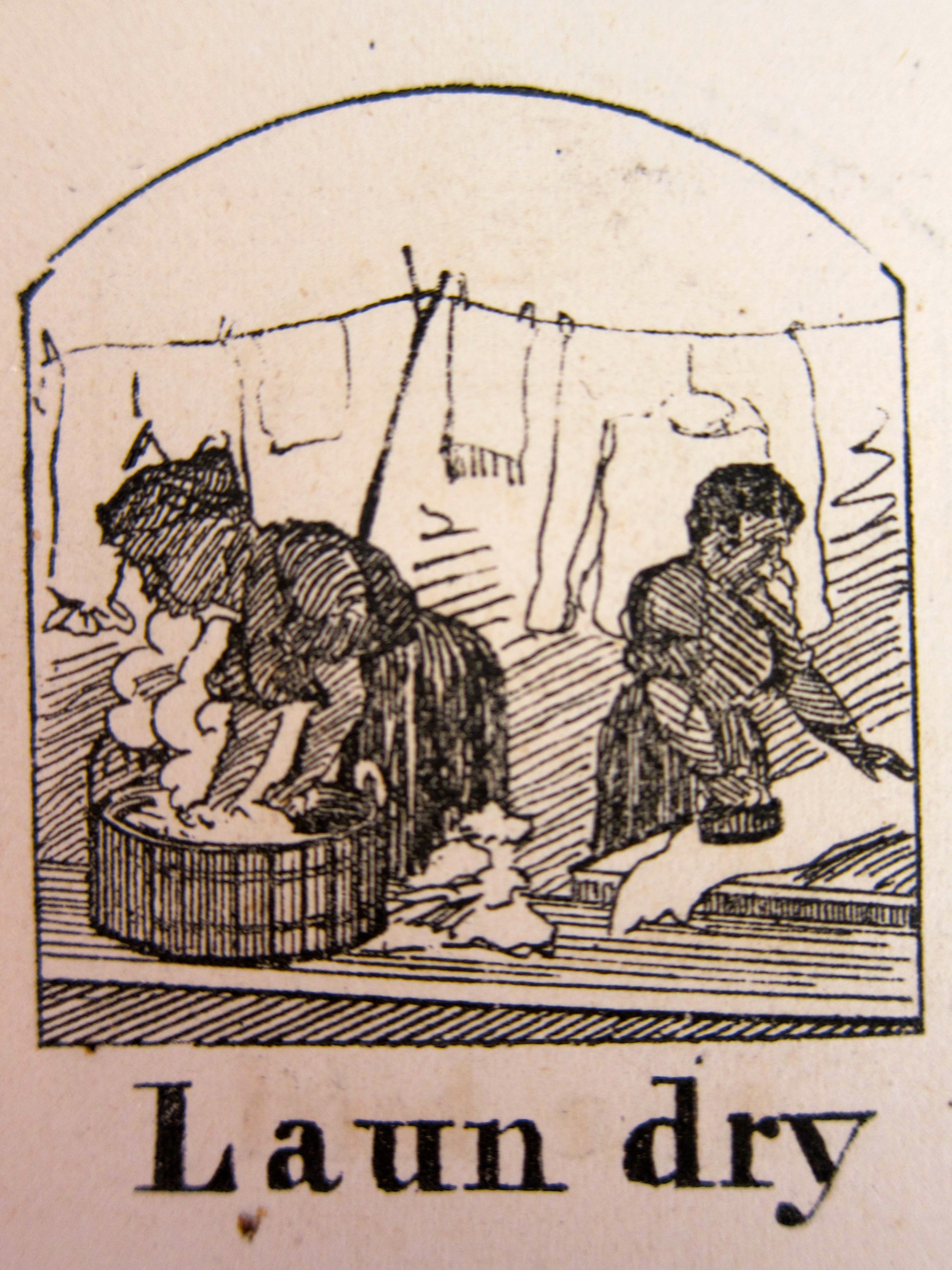
Laundry


Monday May 5th  Made some sponge cake this morning

& swept & dusted rather more than usual Jane washed

the clothes and put them out without rinsing & let

the hard rain come on them. Has been a driving

storm all the […] day Mrs Stetson & Mrs

George [Ames] were here to tea Harriet was taken sick

and went to bed. Charles Mitchell came to see

her in the stage[…]

Jane McHanna had an idea this morning.  If nature was going to keep throwing stormy weather at her on Laundry Day, she’d make it work for her rather than against her. Instead of rinsing them herself, she hung those towels, shirts and all else outside and let the rain rinse the suds off. The “hard rain” saved her some tub time, although hanging those heavy clothes with the suds still on them couldn’t have been easy work.

Meanwhile, Evelina stayed indoors sweeping, dusting and doing some light baking.  Instead of firing up the brick oven, she probably baked her sponge cake right in a tin stove that she most likely had in her kitchen.

Sponge cake was a dessert whose recipe the Puritans brought over from England.  In western cooking, it was one of the earliest iterations of a yeastless batter. Mary Peabody Mann wrote in her 1858 cookbook, Christianity in the Kitchen, that sponge cake “if made right, is the least injurious of any form of cake, because it contains no butter.”  She cautioned, however, that “it is very difficult to make it good.  Eggs must be perfectly fresh, in the first place. They should be kept in cold water the night previous, and the whites should be beaten in a cool place, separately, and to a thick froth, with a cork stuck cross-wise upon a fork, and without stopping once.” Sarah Josepha Hale, meanwhile, in her 1841 The Good Housekeeper, offered her own admonishment that cakes, “those tempting but pernicious delicacies [,are]…to be partaken of as a luxury.”

The man who called on the ailing Harriett Ames Mitchell was her brother-in-law, Charles, who had once lived with Harriett and Asa in Cambridge, before they moved to western Pennsylvania. Charles, younger by several years, was a good friend of the family. Mrs. Stetson was also a friend of the family and Almira Ames was a cousin. Everyone sipped tea while rain fell on the roof, the road, the garden and the white, wet laundry.