/51
Jan 9th Thursday
This morning after cleaning my room & doing
my usual mornings work, finished my collars & the
book Mr Whitwell brought. Cut Susan a sack out of
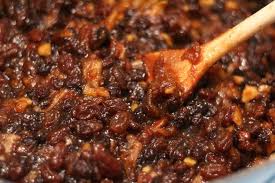
her plaid cloak. Prepared some mince pie meat ready
for baking & this evening have been writing in this book.
Had to take the foregoing from memory. Mr Ames, ague in his face
and come home from the office very early. Has been
troubled with it several days. Unpleasant this afternoon
Oakes Ames still had his head cold and came home early from work, something almost unheard of. He was always on the go. Evelina, meanwhile, worked in the cook room preparing mince meat, a lengthy process that calls for a lot of chopping of meat and suet, not to mention the “stoning” of raisins.
Sarah Josepha Hale, intrepid editor of Godey’s Lady’s Book, had nothing nice to say about mince meat pies. In her book, The Good Housekeeper (1841), she urged American housewives to serve mincemeat only on special occasions:
“The custom of eating mince pies at Christmas, like that of plumb puddings, was too firmly rooted for the ‘Pilgrim fathers’ to abolish; so it would be vain for me to attempt it. At Thanksgiving, too, they are considered indispensable; but I may be allowed to hope that during the remainder of the year, this rich, expensive and exceedingly unhealthy diet will be used very sparingly by all who wish to enjoy sound sleep or pleasant dreams.”
Evelina was a regular reader of Godey’s Lady’s Book, but she paid scant attention to Mrs. Hale’s admonishment against mince meat pies. She served them often; they were a familiar presence at the Ames dinner table. Considering the large family to be fed, including three physically active sons between ages 17 and 21, and the ready availability of meat and suet from the oxen provided by her father-in-law, it’s small wonder that Evelina turned to a dish that was hearty and filling. Mincemeat was a standard in many farming families.
 evelinaames